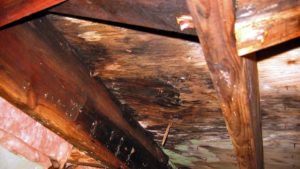
Most homeowners don’t think much about their basement until something feels off. Maybe the air feels heavier than usual, or certain corners seem slightly damp. These small changes can be easy to dismiss, especially when everything else in the house appears fine. In this quick piece, we’re looking at seven hidden causes of basement moisture and what you should do to minimize their potential damage.
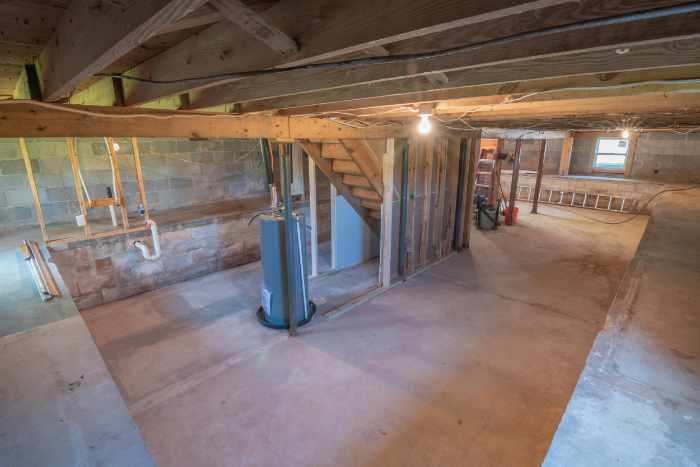
7 Hidden Causes of Basement Moisture
However, basement moisture is rarely random. It usually develops due to a combination of overlooked factors that slowly build up over time. Understanding what’s happening behind the scenes can help you avoid costly repairs and keep your home in great shape.
1. When Water Stays Too Close to Home
A major contributor to hidden causes of basement moisture is how water behaves after it lands on your property. Rainwater should move away from your home quickly, but that doesn’t always happen.
If gutters are full or downspouts release water too close to the structure, moisture begins to linger near the base of the house. Over time, the surrounding soil stays damp longer than it should. That constant exposure increases the chances of moisture working its way into lower levels of the home.
A simple check of your drainage setup can make a big difference. Ensuring water is carried farther away helps reduce unnecessary pressure on your foundation.
Related: 8 Ways to Protect Your Home’s Foundation: The Overlooked Maintenance That Prevents Costly Repairs
2. Small Openings That Go Unnoticed
Foundations are built to last, but they are not completely sealed forever. As homes age, materials naturally expand, contract, and shift slightly. This can lead to small gaps forming along walls or floors.
These openings are often too subtle to notice right away. Instead of causing immediate problems, they allow moisture to enter slowly. Over time, that gradual entry can lead to damp surfaces or minor staining that becomes more noticeable. Keeping an eye on your basement walls and sealing any visible imperfections early can prevent long-term issues.
3. Moisture That Starts Inside
It’s easy to assume that all basement dampness comes from outside, but that is not always the case. Every day, household activities release moisture into the air. When that warm air reaches a cooler basement, it can settle on surfaces and create condensation.
This is especially common in spaces that do not have strong airflow. Over time, even normal humidity levels can lead to a damp environment if the air is not moving properly. Improving ventilation or using a dehumidifier can help balance moisture levels and keep the space comfortable.
4. The Role of Hidden Systems in Your Home
Another factor that often gets overlooked involves hidden plumbing concerns that are not immediately visible. Pipes run behind walls, under floors, and through ceilings, making it difficult to spot small issues early on.
A slow drip or minor leak may not seem urgent, but it can introduce a steady source of moisture into surrounding materials. Because these problems are hidden, they can continue unnoticed for a long time. If something feels off, like an unexplained damp patch or a persistent odour, it may be worth investigating further before the issue grows.
5. Older Waterproofing That Isn’t Working Like Before
Some homes rely on waterproofing systems that were installed years ago. While these solutions can be effective, they are not always permanent.
Materials can wear out, and systems can lose efficiency over time. What once worked well may not provide the same level of protection today. If your home has a history of moisture issues, it may be a sign that these systems need attention. Revisiting older solutions and making updates when needed can help restore proper protection.
6. Weather Patterns That Add Pressure
Changes in weather can also influence how moisture behaves around your home. Heavy rain or melting snow can leave the ground saturated for extended periods.
When the soil holds too much water, it increases the pressure against the basement walls. This makes it easier for moisture to find its way inside, especially if there are already weak points present. Staying aware of seasonal changes allows you to take action before problems begin to show up indoors.
7. Simple Habits That Make a Big Difference
Preventing basement moisture does not always require major renovations. Often, it comes down to regular upkeep and paying attention to small details.
Clearing out gutters, checking drainage paths, and maintaining proper airflow indoors are all practical steps that can help. Addressing minor concerns early is much easier than dealing with larger repairs later.
Consistency is key. A little effort over time can go a long way in protecting your home.
Final Thoughts
Basement moisture is usually the result of several small factors working together rather than one obvious issue. That is why it can go unnoticed at first.
By understanding the hidden causes of basement moisture, you can take simple steps to stay ahead of it. Keeping your basement dry helps maintain comfort, protect your space, and support the long-term condition of your property.