Have you ever wondered, “How long should my home last?” Most homeowners focus on curb appeal, mortgage payments, or upgrades they want to make. What often gets overlooked is that many components in a home come with an expiration date. While a well-built house can last for generations, its individual systems, appliances, and materials all have finite life spans. Knowing when key parts of your home may need to be repaired or replaced can prevent unexpected breakdowns, save money, and protect your investment over time.
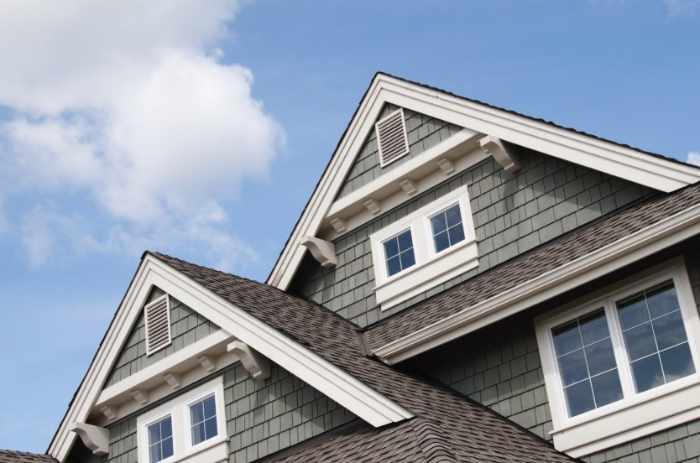
How Long Should My Home Last?
Let’s look at each part of your house to answer the question, “How long should my home last?”
Roofing and Exterior
The roof is one of the most critical components of a home, protecting it from weather and structural damage. Most asphalt shingle roofs last between 20 to 30 years, depending on the quality of the materials and climate conditions. Metal roofing can last longer, sometimes up to 50 years, while wood shakes tend to wear out faster in humid climates.
Cracked, curling, or missing shingles are signs that your roof may be approaching the end of its useful life. If water spots appear on ceilings or attic insulation becomes damp, the issue may already be beyond minor repairs. Homeowners should budget early for a roof replacement and schedule periodic inspections every few years to assess wear and tear.
Siding and exterior paint also have a shelf life. Wood siding typically needs repainting every five to ten years, while vinyl can last up to 60 years but may fade or crack over time. Stucco and fiber cement fall somewhere in between, with durability often tied to regional weather patterns and moisture exposure.
Other than a home’s foundation, the roof is the most important factor when determining how long should my home last.
HVAC and Plumbing: Systems
Heating, ventilation, and air conditioning systems are essential to comfort and indoor air quality. Furnaces often last 15 to 20 years, while central air conditioning systems typically reach the end of their service around 12 to 15 years. Heat pumps may run slightly longer, but performance begins to decline if regular maintenance is not performed.
Water heaters generally last 8 to 12 years. Tankless models can operate for up to 20 years, but they require regular descaling to maintain efficiency. Plumbing pipes vary widely depending on the materials used. Galvanized steel and polybutylene piping found in older homes are more prone to corrosion and failure. Modern PEX or copper pipes have longer life spans, often 40 to 70 years, but should still be checked periodically.
Appliances
Major home appliances are central to daily life, yet their durability varies. Refrigerators often last about 10 to 15 years. Dishwashers tend to give out after 8 to 12 years, while washers and dryers can last a bit longer if properly maintained. Ovens and ranges generally offer 13 to 15 years of service, although the electronics in modern models can shorten that timeline.
Related: 16 Tips to Master the Art of Caring for Home Appliances
Appliance failure can be gradual or sudden, but warning signs like inconsistent temperatures, odd noises, or rising energy bills should prompt early replacement plans. Keeping manufacturer manuals and noting the purchase year helps track when warranties expire and when to begin monitoring for signs of decline.
Windows, Doors, and Flooring
Windows typically last 15 to 30 years depending on frame materials and exposure. Wood-framed windows require more upkeep and are more susceptible to rot or warping. Vinyl and fiberglass tend to last longer but can develop seal failures or fading from sun exposure. Drafts, condensation between panes, and difficulty opening or closing are all signals it may be time for replacement.
Exterior doors, especially wood, can degrade over time due to temperature fluctuations and moisture. While solid-core steel or fiberglass doors may last up to 30 years, their hardware, including locks, hinges, and seals, often needs earlier attention.
Flooring longevity depends on usage and material. Hardwood can last a lifetime with proper care and occasional refinishing. Carpet typically needs replacing every 8 to 10 years. Tile may last 20 years or longer, though grout can discolor or crack long before the tile shows wear. Laminate and vinyl plank flooring offer lower costs and decent life spans of 10 to 20 years, depending on the quality.
Electrical and Safety Systems
Your electrical panel may last 25 to 40 years, but older panels might not meet modern capacity demands. Signs that a system needs upgrading include frequent breaker trips, flickering lights, or warm outlets. Smoke detectors should be replaced every 10 years, and carbon monoxide detectors usually need replacement after 5 to 7 years. GFCI outlets should be tested monthly and replaced if they no longer reset.
Security systems, smart home devices, and other tech-based home upgrades also have expiration dates. Software support and hardware durability can vary widely, so plan on reevaluating these systems every 5 to 10 years.
Conclusion
Hopefully we’ve helped answer the question, “How long should my home last?” Aging materials and systems cannot be avoided, but emergencies can. With a clear picture of what may need attention over the next five, ten, or twenty years, homeowners can make informed decisions that protect both comfort and long-term value. For more information, look over the accompanying infographic.