Stepping into a bathroom with gleaming faucets or a kitchen where light dances off warm metallic accents instantly changes how a space feels. Gold plating home fixtures is the subtle detail that transforms ordinary fixtures into elements of incredible luxury. Beyond its beauty, it offers durability, prestige, and the promise of long-term value. In this article, you’ll learn how it works, why it’s used, where it can be applied, and how it compares in cost, care, and style to other finishes.
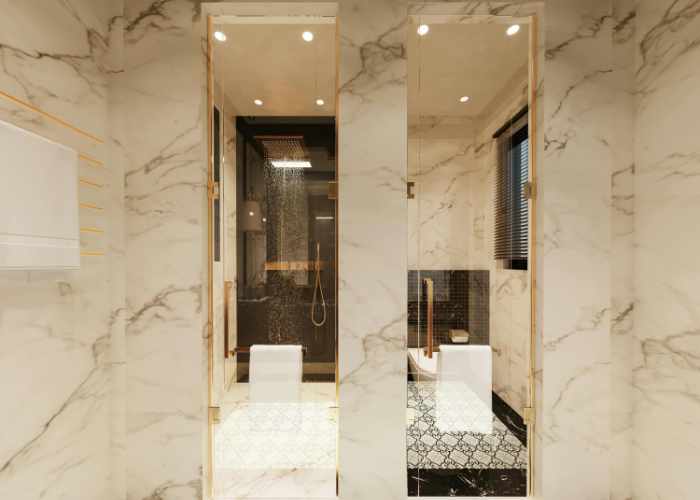
How Does Gold Plating Home Fixtures Work?
If you’re curious about how gold plating can elevate your fixtures, keep reading for a practical guide that blends technical know-how with design inspiration.
What Is Gold Plating & How It Works (Mechanism and Technology)
Gold plating is the process of applying a thin layer of gold onto a base metal surface, usually through electroplating. The object is immersed in a gold salt solution, and an electric current deposits gold particles evenly over the surface.
Key steps in the process include:
- Surface preparation: Cleaning, polishing, and sometimes applying a strike layer of copper or nickel.
- Electroplating bath: Passing current through a gold solution to bind the particles.
- Finishing: Rinsing, drying, and polishing to achieve a reflective surface.
The thickness of plating varies. “Flash plating” can be less than 0.5 microns, while heavy deposits may exceed 2 microns. Undercoats like nickel add corrosion resistance, while quality checks—such as XRF testing—ensure adhesion and consistency.
Why Choose Gold Plating Home Fixtures? The Luxury + Value Proposition
Gold plating home fixtures finishes create a sense of refinement unmatched by standard hardware. Just imagine walking into your newly renovated luxury bathroom!
- Aesthetic appeal: Warm, luminous tones pair well with marble, matte black, or chrome.
- Luxury perception: Even small details, like cabinet pulls, can shift how a room is experienced.
- Durability: Gold resists corrosion and oxidation, meaning it won’t tarnish like brass.
- Added home value: Luxury finishes often appeal to buyers and can enhance resale potential.
Compared to alternatives like brass coatings, powder finishes, or PVD gold tones, true gold plating offers authenticity and elegance without the price of solid gold hardware.
Typical Applications in Home Fixtures & Architecture
Gold plating is versatile and suits both subtle accents and bold statement pieces. Popular uses include:
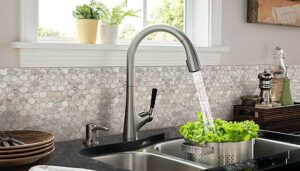
- Bathroom and kitchen faucets
- Showerheads and towel bars
- Door handles and cabinet hardware
- Lighting fixtures such as chandeliers and sconces
- Decorative trim, mirror frames, and molding highlights
In modern interiors, it’s often used sparingly—accenting a vanity faucet or entryway fixture to create focal points without overwhelming the design.
Cost Factors & Return on Investment
The cost of gold plating depends on several factors:
- Surface size and complexity – Larger or intricately shaped fixtures require more labor.
- Gold thickness – Standard household fixtures often use 0.5–1 micron.
- Gold purity – 24k offers a rich color but is softer, while 18k balances tone and durability.
- Labor and prep work – Cleaning, masking, and polishing add to the price.
Typical costs range from $20–$90 per item depending on size and thickness. While more expensive than standard finishes, it’s far less costly than solid gold. The return comes in both aesthetic impact and real estate appeal, as homes with high-end finishes tend to stand out.
Durability, Lifespan & Maintenance
Gold plating can last years with proper care, though longevity depends on thickness and usage.
- Flash plating (<0.5 µm): 6 months to 2 years in high-use settings.
- Standard plating (0.5–1 µm): 3–10 years with gentle use.
- Heavy plating (>2 µm): Often more than a decade.
Care tips include:
- Clean with mild soap and a soft cloth.
- Avoid abrasive pads or acidic cleaners.
- Wipe dry after water exposure.
When signs of wear appear—such as dulling or base metal exposure—fixtures can be replated to restore their finish.
Design & Style Considerations / Best Practices
Gold is most effective when used with restraint. Consider these design approaches:
- Tone harmony: Yellow gold offers warmth, while brushed or satin finishes feel more understated.
- Metal mixing: Pair gold with matte black or nickel for a modern look.
- Placement strategy: Highlight focal areas such as vanities, entryways, or lighting fixtures.
- Texture choice: Polished gold makes a bold statement, while brushed or satin provides subtle elegance.
Risks, Limitations & Common Misconceptions
Despite its appeal, gold plating has limitations.
- Misconception: Some think it’s “fake.” In truth, it’s real gold—just in a thin layer.
- Wear risk: Heavy use, friction, or harsh cleaning shortens lifespan.
- Allergy concerns: Nickel undercoats may trigger sensitivities in some cases.
- Not always ideal: Outdoor fixtures or high-touch items may require frequent replating.
Understanding these trade-offs ensures realistic expectations.
FAQ Section
What is gold plating and how long does it last?
Gold plating is a thin layer of real gold bonded to a base metal. Depending on thickness and usage, it can last from a few years to more than a decade.
Is gold plating expensive for home fixtures?
While more costly than standard finishes, gold plating is significantly cheaper than solid gold. Expect $20–$90 per fixture depending on size, thickness, and purity.
Can gold plated fixtures be repaired or replated?
Yes. Fixtures can be stripped, cleaned, and replated. This restores the finish and is often more cost-effective than replacement.
Does gold plating wear off or tarnish?
Gold does not tarnish, but the plating can wear off over time due to friction or cleaning. Replating restores the surface.
Are there alternative finishes to gold plating?
Alternatives include PVD coatings, brass plating, powder coating, or choosing other luxury metals. Each differs in cost, appearance, and durability.
Conclusion
Gold plating home fixtures elevates everyday fixtures into design statements that blend luxury with practicality. It offers aesthetic appeal, durability, and added value without the price of solid gold.
By weighing cost, care, and placement, you can decide which fixtures deserve this finish—whether it’s a statement faucet, a chandelier, or subtle cabinet hardware. If you’re considering upgrades, consult a metal finishing specialist to explore feasibility, design fit, and care requirements.
For more details, you can also explore the technical background of electroless nickel immersion gold, a related process used in engineering.