Foundation problems are among the most serious threats to a home’s long-term stability, yet thousands of homeowners overlook the early signs every year. What starts as a tiny crack, a sticky door, or a slightly uneven floor can quietly evolve into major structural damage that affects the entire property. When left unaddressed, these issues don’t just endanger your home—they dramatically increase future repair costs and place family safety at risk.
This article explores why addressing structural issues early is always the smartest financial and safety decision. By understanding what to look for and why the risks escalate over time, homeowners can protect their investment and avoid the steep costs associated with delayed repairs.
Common Foundation Problems Homeowners Face
Homeowners encounter many different warning signs that hint at developing issues beneath the surface. These symptoms may appear small or harmless at first, but they often indicate deeper structural concerns that should never be ignored.
Whether caused by shifting soil, moisture intrusion, poor construction, or natural settling, these early red flags give clues about larger foundation problems forming over time.
One of the most common early signs is cracking. Small cracks might appear in basement walls, exterior concrete, or interior drywall, and although they can seem insignificant, they often expand as the home continues to settle. Likewise, floors that suddenly feel uneven or begin sloping can signal that the underlying support system is moving. Shifting soil, moisture changes, and erosion can push or pull against the structure, causing misalignment throughout the home.
When doors and windows begin sticking, this is frequently tied to subtle shifts in the structure. The frames warp as pressure builds, making them harder to open or close.
Another major concern is foundation movement. Many factors—including excess moisture, clogged drainage systems, or soil shrinkage—can cause the home to sink, tilt, or shift. Finally, water intrusion is a major contributor to long-term damage.
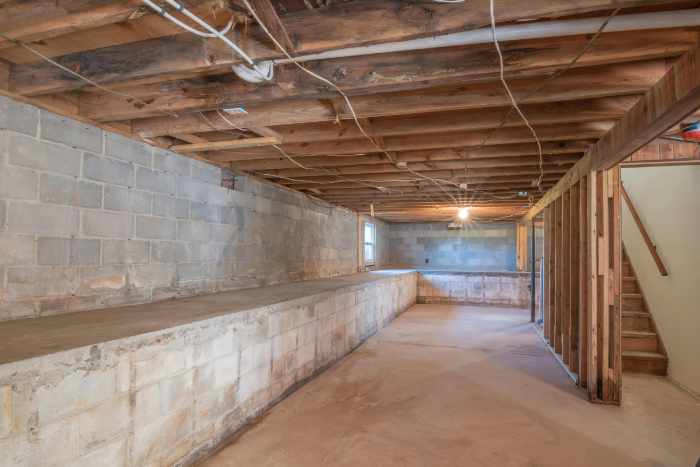
Moisture that seeps into basements or crawl spaces can erode concrete, weaken supports, and create an environment ripe for mold and further deterioration.
Together, these issues show why early detection is essential. What may begin as a cosmetic inconvenience can quickly grow into a costly structural failure if left unattended.
The Long-Term Risks of Ignoring Foundation Issues

When early warning signs are overlooked, the consequences can grow dramatically worse over time. Structural damage spreads far beyond the foundation, affecting every level of the home. Walls may begin to bow or crack. Ceilings can sag. Floors may dip or separate from the baseboards. Even the roof can shift as pressure radiates upward through the structure.
Another major concern is cost. Repair prices escalate as damage spreads, and what once required a simple fix may turn into a major reconstruction project. The longer homeowners wait, the more complicated the repair process becomes—and the higher the price climbs.
Ignoring issues also has a major impact on property value. Whether planning to sell soon or in the distant future, a compromised structure significantly lowers a home’s worth. Buyers are hesitant to purchase a property with unresolved structural concerns, and those who are interested often demand steep discounts.
There are also safety risks. In severe cases, advanced structural deterioration threatens the integrity of the entire home. While rare, partial collapses or severe wall failures can occur when homeowners wait too long to call a professional.
Even before reaching such extremes, internal hazards like falling drywall, shifting floors, or unstable walls present dangers to every household member.
How to Spot Foundation Issues Before They Worsen
Identifying warning signs early is the most effective way to prevent severe and expensive structural damage. Many symptoms appear gradually, giving homeowners ample opportunity to intervene before the situation becomes critical.
- Cracks in walls or floors can indicate shifting or settling that deserves immediate attention.
- Windows and doors that begin sticking or misaligning often reveal subtle movement in the foundation.
- Sloping or uneven floors signal deeper structural concerns that rarely resolve on their own.
- Moisture in crawl spaces or basements can point to drainage issues that lead to long-term deterioration.
- Visible gaps between the foundation and the house indicate serious movement that threatens structural stability.
Being aware of these early signs allows homeowners to take proactive steps and call an expert before larger problems arise.
Related: The Do’s and Dont’s of Choosing a Foundation Repair Contractor
The Cost of Ignoring Serious Structural Issues
Delaying repairs is one of the most expensive mistakes a homeowner can make. When issues are identified early, costs remain manageable. Minor crack injections, soil corrections, or reinforcement may be all that is needed. But once the structure begins shifting, walls bow, or large cracks develop, repair costs increase dramatically.
Ignoring the problem can even cause damage to other parts of the home.
Plumbing lines may break when the home shifts. Electrical systems can become strained. Floors, drywall, and tile may need replacement. These additional expenses compound quickly, making total repair costs substantially higher.
While the price varies depending on region and severity, homeowners should understand that acting fast almost always saves money. Many companies even offer financing options to make early repairs more affordable, long before the situation becomes severe.
Protecting Your Home Against Foundation Issues
Addressing structural concerns early is essential for protecting your home’s long-term stability and financial value. By paying attention to warning signs, acting quickly, and understanding the risks of delay, homeowners can prevent extensive damage and avoid significant repair expenses. When handled promptly, issues related to foundation problems are manageable, cost-effective, and far less disruptive than waiting until the damage spreads.
An early response not only safeguards your investment—it keeps your home safe, secure, and structurally sound for years to come.