Water damage is one of the most expensive repairs for landlords. In Kentucky, landlords are responsible under the Kentucky Landlord-Tenant Act to provide tenants with safe and habitable housing. As a landlord, you should take a proactive approach to plumbing inspections that emphasizes maintenance, protecting investments, and ensuring tenant safety.
Key Areas Professional Plumbers Focus on During Rental Property Inspections
During rental property inspections, you should know what professional plumbers look for to assess buildings properly. Below are the main areas plumbers evaluate in each room.
Kitchens and Bathrooms
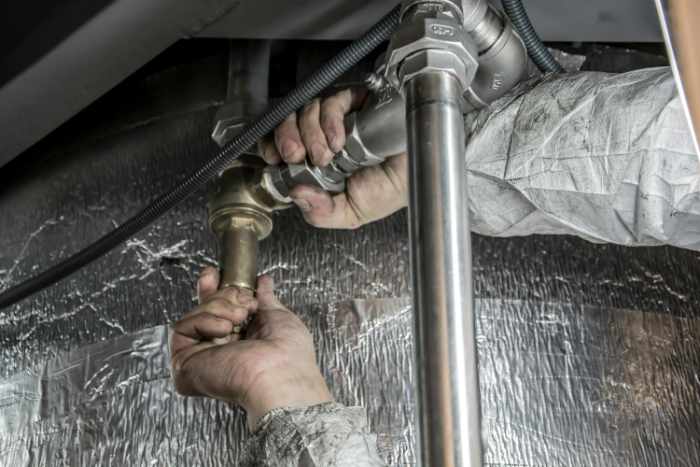
First on our list of areas that plumbers address during rental property inspections are kitchens and bathrooms. Plumbers examine faucets, showers, sinks and toilets. Water pressure issues, improper drainage, and signs of leaks are warning signs of bigger issues. Water pressure can be checked by simply turning it on and feeling the pressure, but signs of hidden leaks include water stains and mold growth.
Looking beneath sinks in both kitchens and bathrooms is a good practice, since that is the most common area for problems. If there’s one piece of advice I’d give every landlord, it’s to make this the very first place you check.
Mold is common in these areas and can harm any humans in its vicinity. It irritates the skin and can contain toxic substances. People with allergies or asthma are more sensitive to these symptoms than others. Avoid mold by controlling the moisture in kitchens and bathrooms.
Utility Rooms and Basements
Utility rooms and basements can present signs of long-term failure that a professional plumber would identify. You must check water heaters, sump pumps, and visible pipes for leaks, aging, and corrosion. It is essential to know the age and condition of the water heater, as it is prone to failure due to age-related issues. You should routinely check or upgrade your water heater to prevent these issues. The installation date must be accessible so you know when to replace it.
Minerals can build up in older properties in Kentucky, leading to supply line deterioration and corrosion that damages the building. It is essential to check these items everywhere, but Kentucky is particularly vulnerable due to its older infrastructure. Listen to local news outlets for potential research findings on other issues.
Sewer Lines and Drains
Slow drains and sewer line blockages are another primary plumbing concern. These can burst pipes and cause issues for the entire property. The shut-off valve must be accessible to shut off the system for repairs. If not, consider upgrading it before a more significant problem arises. The cost of bigger issues for sewer lines and drains can significantly impact your funds, so a preventive approach is necessary.
Environment and Safety Concerns for Louisville Landlords
Louisville, Kentucky, has specific environmental concerns that impact the plumbing system. Herbicides, fertilizers, and other sources can create “forever chemicals” that contaminate the water. Scientists ran tests that confirmed an overwhelming presence of these chemicals in Louisville’s water. There are also sulfates from mining that damage plumbing.
Louisville’s older infrastructure affects rental properties in several ways. Corrosion is one of the most adverse effects. As was the case in Flint, Michigan, where the city did not treat the water, corrosion can damage older pipes. Reduced water pressure is another result of older systems, as well as frequent breaks, leaks, and cave-ins. Updated infrastructure is a great way to improve these occurrences.
Tips for a Successful Property Evaluation
A successful property evaluation goes beyond a one-time event to regular, scheduled rental property inspections. To truly safeguard your asset and avoid costly surprises, adopt a comprehensive approach. By prioritizing proactive care, documenting your efforts, and preparing for seasonal risks, you can maintain a healthy plumbing system and a healthy budget.
Conduct Proactive Maintenance
In my opinion, the single most expensive mistake a landlord can make is waiting for something to break. Beyond merely inspecting systems, monitor the key areas outlined above. A regular maintenance plan reduces the need for plumbing repairs at rental properties. Tenants should also be aware of common plumbing problems so that they can report issues promptly.
Smart technology is a valuable asset for proactive maintenance, as it detects issues before they occur or worsen. Sometimes, it can even resolve problems without human intervention. Because Kentucky has older systems, this may be a worthy investment. Silent leaks are dangerous as well. These are not as obvious, but smart technology can spot them before landlords do.
Proactive maintenance can save you money. Common emergency repairs, such as burst pipes and water heater failures, are costly crises. Repair costs in the Louisville area can reach as high as $670, but are often in the $272 to $391 range. Rental property inspections and preventive care are significantly less expensive and provide you with peace of mind.
Document Everything
As a landlord, you must provide routine checks and regularly perform maintenance. It is essential to record everything through pictures, videos, and even journal entries. I have seen this simple habit save landlords from baseless disputes. It prevents tenants from blaming you if they break something since you have viable evidence. Creating a schedule for inspections is a good idea to keep both you and the tenants informed.
Related: The True Cost of Bad Tenants for Property Owners: 5 Key Factors
Address Frozen Pipes
Each season presents unique maintenance challenges. In the winter, check on furnaces and pipes that may be frozen to prevent potential problems. Frozen pipes create mold, water damage, high bills, and health hazards if left untreated. Ensure furnaces and pipes maintain consistent temperatures to avoid freezing.
Safeguarding Your Property
Working with licensed and insured plumbers is a good idea to keep your rental property in the best shape possible. Knowing the areas plumbers inspect helps you prepare for professional plumbing inspections and prevent future issues. Remember to budget appropriately for maintenance to ensure you have the necessary funds in an emergency.