Too many businesses take months to decide on their furniture, lighting, and wall colors and branding, and then pick a floor almost as an afterthought. I can’t tell you how often this happens. Choosing commercial floors from a short list approved later on in the construction schedule, usually based on budget restraints, and end up with a space that almost works. Something feels off, but no one can really say what it is. Nine times out of ten, it’s the floor.
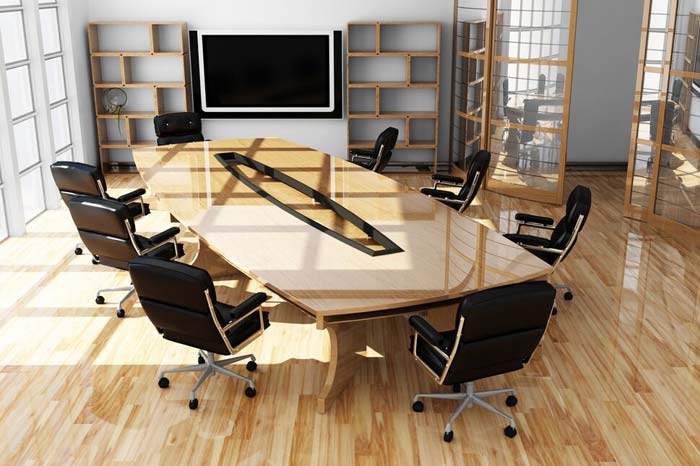
Choosing Commercial Floors to Match Your Interior Design Vision
The reality is that a floor is a massive plane that dominates any commercial space. It sets the tone for what guests feel before they even see the walls, furniture, or signs. If this decision is made correctly first, every other pick becomes that much easier down the line.
The Floor Is Not an Afterthought, It’s the Foundation
That’s why any interior designer worth their salt knows that choosing a floor must happen early on, in fact, before any other option is made. The floor is the anchor to the rest of the color scheme, determines materials used elsewhere, and impacts the light in a room. A dark polished concrete floor feels very different than a timber-look warm vinyl plank, even in the same room with the same furniture.
For those businesses conducting full fit-outs or refits, assessing the myriad of commercial flooring options available and making selections here first means there’ll be less backtracking later on once other decisions are locked in. Walls look better painted when you know what materials your floor will be; furniture finishes feel seamless when you understand how your floor tone works with neutrals; color palettes come together if everyone’s on board from the get-go.
That isn’t to say starting from scratch later means all is lost; what it means is that due diligence needs to be paid to the floor, as to everything else.
Material That Matches the Vibe You’re Aiming For
Materials have different tones, visual heaviness, and understanding this helps them fit within a broader design approach. For example, timber and timber-look options feel warm and textured; hospitality settings, creative studios, or any commercial space where comfort or approachability is critical rely on their ability to make a person feel at home.
Comparatively, hard materials like polished stone or polished concrete bring a contemporary minimal aesthetic; the right space can pair with it flawlessly, but other design elements need to match its potency.
Similarly, carpet tiles are sometimes seen just for their practical capabilities; however, they’ve come a long way in design quality and can bring uniqueness in their attempts to delineate spaces, absorb sound in open plan offices, or add texture so they’re not just a fallback but instead an interestingly designed option.
At the end of the day, when choosing commercial floors, there’s no right or wrong; from timber flooring to vinyl planking to tiles to laminate, there’s only material that acts properly for the space in question and helps render the look being created more successful.
Color, Patterns, and Overall Aesthetic
The color of your flooring is an easier selection to make than it is to implement. For example, light-colored floors bring in an airiness and open up smaller spaces, but they show wear and tear in heavy foot traffic situations. Darker tones create richness, but risk making spaces feel like smaller caves if complementary color selections are not made properly and thoughtfully.
Then comes patterning, tiles are geometric; plank orientations in timber-look vinyls; carpet pile decisions; they’re all compounded by how they make your overall aesthetic read. Running planks down a hallway makes it feel longer; running them sideways breaks up a linear route too much for a small space with little else going on.
Conversely, if there are walls to make options horizontal, then they should be horizontal instead of vertical just to be challenging. These are small choices that seem irrelevant but add up to the big picture for an overall tremendous result.
Getting color and patterns right means assessing options on site in comparison to proper levels of light; what looks good in the showroom with its artificial lighting is often tremendously different from natural sunlight exposures, or lack thereof, in actual commercial situations.
Related: Revitalize Your Property: Exploring Key Remedial Building Solutions
Durability Needs to Be a Design Consideration
If only design decisions were made in a vacuum. But with commercial spaces, durability always becomes part of the discussion. If something looks phenomenally artistic but wears within two years and shows so much dirt that people refuse to appreciate its beauty, then it’s failing.
This is where material choice and finish quality come into play beyond surface aesthetics. High traffic areas by entries, hallways, and service spaces need products that can withstand such consistent use. Areas with spills, from kitchens, bathrooms, to outdoor transitions, require products that won’t break down or become slippery safety hazards. The good news is that now more than ever, you are choosing commercial floors from options that are functional, commercial-grade options that are truly attractive across the board.
The Greater Good
The spaces that feel truly impressive and well-designed, the ones where everything seems to go well together, usually hinge on one decision that most people make last: the floor, as long as every material is assessed from a big picture standpoint first. The floor is not an afterthought; it’s part of an aesthetically contributing team effort from the moment someone walks in the door upon construction.
Therefore, creating a vision before any major selections are made is critical to assess what kind of atmosphere must be cultivated, and how the floor can avoid compromising this initial integrity instead. It’s the difference between a successfully assessed commercial interior and one that almost made it work.