Indoor comfort changes as people move through different stages of life. What feels practical and comfortable in one phase may not work as well in another. Homes that adapt to these shifts can support daily routines, health, and long-term satisfaction. Thoughtful design helps create spaces that remain useful and build comfort that grows with you over time. Planning for change early can reduce the need for major updates later.
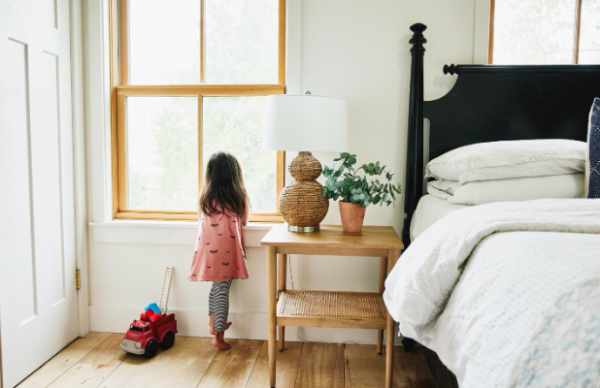
Comfort that Grows: Young Adults and First Homes
Early in adulthood, flexibility is often the main focus. Living spaces may need to support work, social life, and relaxation in one area. Open layouts and multi-use furniture help maximize smaller spaces.
Temperature control and lighting also play a role. Good airflow and natural light can improve focus and energy levels. Simple storage solutions keep spaces organized without adding clutter.
At this stage, comfort that grows begins with convenience. Easy-to-clean surfaces and efficient layouts support a busy lifestyle.
Supporting Growing Families
As families grow, comfort needs shift. Space becomes more important, especially for shared living areas and private rooms. Kitchens and living rooms often serve as central gathering spaces.
Durable materials are key. Floors, furniture, and surfaces must handle daily wear. Noise control also becomes more important, as multiple people use the space at the same time.
Safety features should be considered as well. Rounded edges, secure storage, and stable fixtures help reduce risk. Comfort for families often comes from creating a space that supports both activity and rest.
Creating Productive Work Environments
Many homes now include dedicated work areas. A comfortable workspace, or home office, can support focus and reduce strain. Proper lighting, seating, and layout all affect how well a person can work from home.
Quiet areas are important. Sound control helps limit distractions. Natural light can also improve mood and productivity throughout the day.
Air quality should not be overlooked inside the home. Clean, well-ventilated spaces support both comfort and health during long work hours.
Adapting for Aging in Place
As people age, comfort becomes closely tied to accessibility. Homes should support easy movement and reduce physical strain. Features such as wider doorways, step-free entryways, and easy-to-reach storage can improve daily living.
Lighting is also important. Brighter, evenly distributed light helps reduce eye strain and improve visibility. Temperature control should be easy to adjust without effort.
Bathrooms and kitchens may need updates to support safety and ease of use. Small changes can make a large difference in comfort that grows with you over time.
The Role of Light and Airflow
Natural light and airflow affect comfort at every stage of life. Well-placed windows can improve mood, regulate temperature, and reduce the need for artificial lighting.
Specialty windows can support these goals by improving insulation, reducing glare, or increasing ventilation. These features help maintain a stable indoor environment throughout the year.
Fresh air also supports health. Good ventilation reduces indoor pollutants and creates a more pleasant living space.
Planning for Long-Term Comfort
Designing for comfort across life stages requires a flexible approach. Homes should be able to adapt as needs change. Simple choices, such as neutral layouts and durable materials, support long-term use.
Technology can also play a role. Smart systems for lighting and temperature can adjust to different needs over time. These tools add convenience without requiring major changes to the home.
Indoor comfort is not fixed. It evolves as people grow and their needs shift. Homes that account for these changes can provide consistent support through every stage of life. Thoughtful design helps create spaces that remain functional, comfortable, and welcoming for years to come. To learn more about indoor comfort across different life stages, feel free to look over the accompanying infographic below.


![Read more about the article [Infographic] Real Estate Recovery or Not](https://trepryor.com/blog/wp-content/uploads/2012/02/real_estate_recovery_infographic-112x300.jpg)