Historic house renovations in Louisville, Kentucky, can be immensely satisfying when complete. But it’s often filled with some unusual considerations that don’t come into play in newly constructed suburban neighborhoods. Here are some of the most common renovation challenges you’re likely to face in old Louisville properties, along with how to manage them.
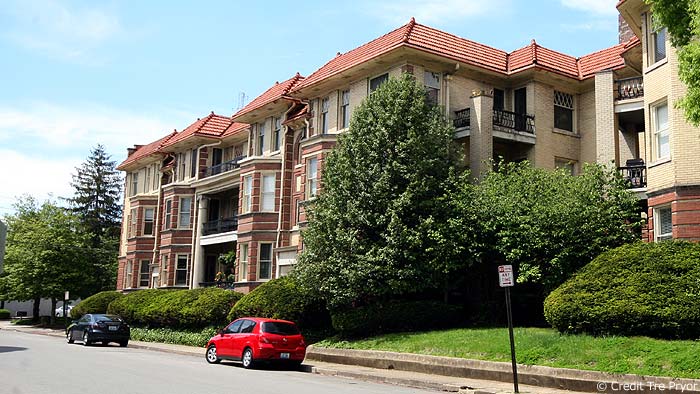
4 Specific Strategies for Historic House Renovations
Before starting any historic house renovations is important to plan properly. The following four concepts are particularly important. Let’s take a look.
1. Manage Tight Sites, Narrow Streets, and Limited On-Site Space
Many historic Louisville lots are narrow, with limited driveways and alleys. That makes it hard to stage materials, protect furniture, and keep a functional living space during renovation. To handle it effectively, think strategically about where material should be staged and where trash will be stored. Figure out which spaces remain inhabitable and which do not, and plan accordingly. It’s a good idea to use portable container storage units when relocating furniture and household items.
The good thing is that portable containers are street-legal, so they can be parked in your driveway or on street parking. You can take your time packing your belongings without worrying about constantly transporting everything to off-site storage facilities. Also, you should phase the work by zone. It means it’s a good idea to renovate one floor or wing at a time, move everything into storage, and then move on to the next zone.
2. Preserve Architectural Character When Updating
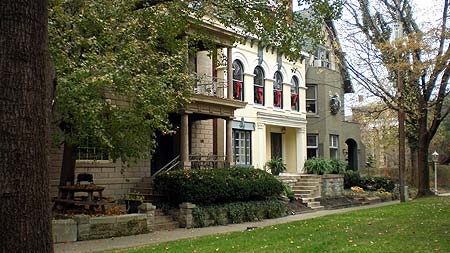
Many historic homes in Louisville are known for their original millwork, tall ceilings, and detailed brickwork that give them character. The problem is that adding modern baths, kitchens, or additional storage can hurt that old, rustic charm.
To prevent this situation, you should first conduct a character inventory. It means you should check your property thoroughly and write down what makes it special (pocket doors, mantles, staircases, original flooring, etc.). Once done, take those elements as protected features in your plan.
It’s also vital to include historical details in new spaces. As you build the new kitchen or bathroom, use trim mouldings, door styles, and hardware that evoke original architecture. Finally, pay attention to hiding new utilities. For instance, it’s good practice to run HVAC, electrical wiring, and plumbing through basements, closets, and attic shafts so as not to interfere with the historic proportions of the existing rooms.
3. Handle Old Infrastructure with Care
Older Louisville homes often have galvanized pipes, known-and-tube wiring, and framing that predates today’s building codes. These systems can be inefficient, unsafe, and not suitable for modern living.
To avoid any issues, plan for a full inspection before design. Hire an expert in restoring older homes to Louisville standards to review all electrical, plumbing, foundation, and roofing details before finalizing your budget.
Here, you should also prioritize life-safety modifications. It often involves maintaining the electrical system, structure, and fire safety. And of course, be sure to demolish selectively to avoid unpleasant surprises. It’s good practice to remove sections of drywall in several critical locations first to assess the extent of damage and prepare financially.
4. Pay Attention to Local Regulations
Most of the historic districts in Louisville have regulations governing streetscape maintenance. These rules apply to window designs, exterior colors, home additions, and even front-porch activities.
To play it safe, you must double-check your historic or overlay zoning. It means that, even before hiring an architect, find out whether your building is actually located in a historic district and whether it holds local landmark status. You should also consult the local government before making decisions, as it could save a lot of time, since a brief conversation with the city planning and preservation offices can answer most questions about permitted renovations and additions.
Endnote
Historic house renovations in Louisville are exciting projects. However, you have to plan well before embarking on such a project, starting with scheduling an appointment with an experienced Louisville general contractor. Check the status of your neighborhood and get in touch with the planning department at Metro Louisville. Line up your portable storage containers before the demo begins so your belongings stay protected and your work zones stay clear.
Finally, phase your budget with a 15% to 25% contingency built in. With the right team, the right plan, and a little Louisville pride, your historic home will surely turn into a masterpiece.