Louisville has always been a city that punches above its weight. Known for bourbon, the Derby, and a food scene that continues to earn national attention, Kentucky’s largest city has quietly become one of the most attractive rental markets in the mid-South. If, like many others, you’re browsing apartments in Louisville because you’re moving for work, heading to school, or you simply want a fresh start, then it’s important to understand the city’s neighborhoods and what each can offer you. Let’s look at some of the best Louisville neighborhoods for renters.
Best Louisville Neighborhoods for Renters
What are the best Louisville neighborhoods for renters? Well, it does depend on your priorities and preferences, but here’s a friendly, honest look at the neighborhoods and what you should know before signing a lease.
The Highlands: Still Louisville’s Darling
If Louisville had a “default recommendation” neighborhood, it would be The Highlands. Stretching along Bardstown Road, this walkable strip of local restaurants, vintage shops, and coffee houses has been a renter favorite for years, and 2026 is no different.
What’s changed? Rent prices have crept up steadily, and inventory for one-bedroom apartments can be tight, especially in spring and summer. If you’re eyeing The Highlands, start your search early and be ready to move quickly. The tradeoff is worth it for many: you’ll be within walking distance of some of Louisville’s best dining, nightlife, and people-watching spots. The neighborhood also scores well for bikeability and access to Cherokee Park, one of the city’s crown jewels designed by Frederick Law Olmsted.
Renter tip: Look at side streets off Bardstown Road for slightly lower rents and quieter settings while still being steps from everything.
NuLu (East Market District): Urban Energy, Premium Price
NuLu — short for “New Louisville” — has transformed from a gritty warehouse district into one of the city’s most polished neighborhoods. Art galleries, boutique hotels, farm-to-table restaurants, and converted loft apartments define the area. If you want an urban lifestyle with a creative edge, NuLu delivers.
That said, renters should go in with eyes open. NuLu commands some of the highest rents in the metro, particularly for loft-style units in renovated historic buildings. Parking can also be a headache, especially on weekends when the district draws visitors from across the city. In 2026, a few new mixed-use developments have added inventory, which is helping, but demand remains strong.
Renter tip: If NuLu’s prices stretch your budget, look just east into the Butchertown neighborhood. You’ll find a similar vibe at a somewhat gentler price point, with easy access to the Waterfront and Big Four Bridge.
Germantown and Schnitzelburg: The Sweet Spot
For renters who want character, community, and relative affordability, Germantown and its neighbor Schnitzelburg remain hard to beat. These historically German neighborhoods south of downtown have seen a renaissance over the past decade, attracting young professionals and families without losing their working-class charm.
You’ll find shotgun-style homes converted into duplexes, small apartment buildings, and a growing number of new-construction rental units. The restaurant and bar scene, anchored by spots along Goss Avenue and Burnett Avenue, has matured nicely. Check Lutz, Monnik Beer Co., and the neighborhood’s beloved duckpin bowling alley for a taste of local life.
Renter tip: Street parking is the norm here, and lots are small. If you have multiple vehicles, confirm parking arrangements before you commit.
Clifton and Crescent Hill: Laid-Back and Leafy
Sitting just northeast of The Highlands, Clifton and Crescent Hill offer a slightly more relaxed pace while still keeping you close to the action. Tree-lined streets, Frankfort Avenue’s independent shops and eateries, and proximity to the Louisville Loop trail system make these neighborhoods a favorite for renters who value green space and a quieter evening atmosphere.
Crescent Hill, in particular, has seen an uptick in renter interest in 2026 as more remote workers prioritize livability over commute times. The housing stock is varied, with everything from apartments above storefronts to charming duplexes in residential blocks.
Renter tip: Frankfort Avenue is the commercial spine here. Living within a few blocks of it gives you the walkability factor without the premium of Bardstown Road.
Old Louisville: History You Can Live In
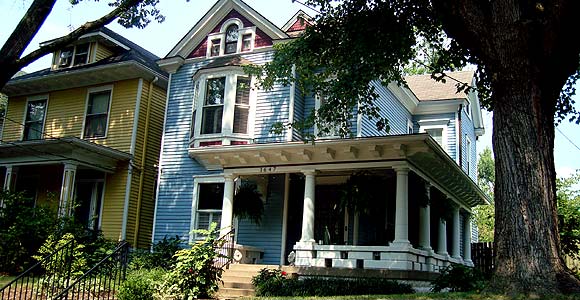
Old Louisville is one of the largest Victorian preservation districts in the United States, and renting here is genuinely unlike renting anywhere else. Grand old mansions have been divided into apartments, many with original hardwood floors, stained glass, and fireplaces. The neighborhood sits just south of downtown and is adjacent to the University of Louisville campus.
Rents in Old Louisville tend to be among the most affordable in the urban core, which makes it attractive to students, artists, and budget-conscious renters. The catch? Building quality varies widely. Some units have been lovingly maintained; others have deferred maintenance issues that landlords have been slow to address. Do your homework, tour in person, and check reviews of property management companies before committing.
Renter tip: St. James Court and Belgravia Court are the showpiece blocks, but units there are competitive. Expand your search a few blocks in any direction for more options.
South Louisville and Beechmont: The Rising Stars
Not every renter wants to live in Louisville’s trendiest zip code, and that’s where South Louisville and Beechmont come in. These neighborhoods have been gaining momentum as renters priced out of Germantown and The Highlands look for their next move.
Beechmont, in particular, has seen new restaurant openings, community investment, and a growing sense of identity. Iroquois Park, another Olmsted-designed gem, provides over 700 acres of green space on the neighborhood’s doorstep. Rents here remain noticeably lower than in neighborhoods to the north, and the commute to downtown is short and straightforward.
Renter tip: South Louisville is large and varied. Spend time driving or biking through specific blocks before making a choice.
General Advice for Louisville Renters in 2026
No matter which neighborhood catches your eye, a few city-wide trends are worth noting. Louisville’s market, similar to national trends, heats up from March through August. If you can time your move for fall or winter, you may find better availability and even some pricing flexibility.
Many of Louisville’s older buildings lack modern insulation. Ask about average utility costs — especially heating in winter — before you sign. LG&E bills in a drafty Victorian can surprise you.
Get to know TARC. Louisville’s public transit system isn’t as robust as that of larger cities, but the Transit Authority of River City serves major corridors. If you’re trying to go car-light, choose a neighborhood along a primary bus route.
The Bottom Line
If you came here to research the best Louisville neighborhoods for renters, we hope you found some valuable info. After all, Louisville offers something increasingly rare in 2026: a genuine big-city experience with a cost of living that doesn’t demand six-figure salaries. Its neighborhoods each carry distinct personalities, and the right fit depends entirely on what matters most to you: walkability, affordability, nightlife, green space, or historic charm.
Take your time, visit in person if you can, and trust your instincts. When evaluating the best Louisville neighborhoods for renters, you want to choose a community you’ll actually want to come home to.