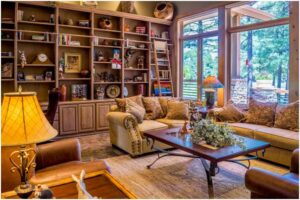
Modern buyers increasingly look for homes that feel calm, healthy, and connected to the natural environment. Biophilic interior design responds to that demand by weaving natural elements into interior spaces in subtle but meaningful ways. For real estate professionals, recognizing these touchpoints helps explain why certain homes feel more inviting and often command stronger interest.
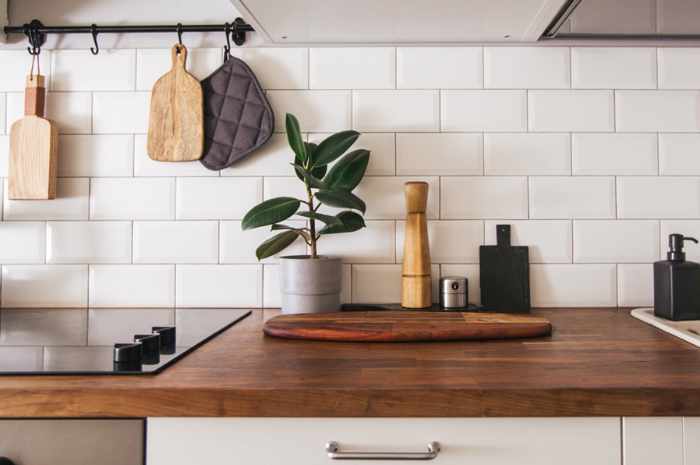
5 Biophilic Interior Design Focal Points
It’s long been a goal of professional interior designers to craft spaces where we feel peace while we live our lives. Bringing the outdoors in with biophilic interior design strategies is a key item in their toolbelt. So, let’s not waste any time and just jump right in!
1. Natural Light as a Foundation
Daylight is one of the most powerful biophilic elements inside a home. Large windows, skylights, and glass doors allow sunlight to move through rooms and shift throughout the day. This connection to natural rhythms supports comfort and visual appeal while reducing reliance on artificial lighting.
Homes that maximize daylight often feel larger and more open. Even modest layouts benefit from light-colored walls, reflective surfaces, and thoughtful window placement that draws brightness deeper into the space.
Related: 4 Surprising Ways to Increase Natural Light in Your Home
2. Materials That Reflect Nature
Interior finishes play a quiet but important role in biophilic design. Wood floors, stone countertops, clay tile, and natural fiber textiles introduce organic texture and visual warmth. These materials age gracefully and provide sensory contrast to smooth manufactured surfaces.
Buyers often respond positively to interiors that feel grounded rather than overly polished. The presence of real materials suggests durability and care, qualities that translate well during showings and inspections.
3. Indoor Plants and Living Elements
Plants are the most recognizable biophilic feature, yet their impact goes beyond decoration. Greenery introduces color variation, softens hard lines, and brings life into static rooms. From large floor plants to herb gardens near kitchen windows, living elements help interiors feel active and cared for.
Placement matters. Plants near entryways, windows, and gathering spaces reinforce a sense of welcome and balance. Even low-maintenance varieties can make a noticeable difference without adding complexity for future occupants. You might want to check out our guide to the best houseplants!
4. Views and Visual Connections
Biophilic interiors extend beyond what is physically inside the home. Framing views of trees, gardens, or water features strengthens the indoor-outdoor relationship. Where exterior views are limited, artwork and finishes inspired by natural patterns can offer a visual substitute. Open floor plans also support this connection by allowing sightlines to extend across rooms, creating a sense of flow similar to natural landscapes.
5. Sound, Air, and Comfort
Nature-inspired interiors consider more than what is seen. Quiet spaces, reduced echo, and soft materials support acoustic comfort. Operable windows encourage fresh air circulation, which many buyers associate with wellness and livability. Ceiling fans, natural ventilation strategies, and breathable materials help regulate indoor comfort.
Real Estate Value and Market Appeal
Biophilic touchpoints often align with broader buyer priorities such as energy efficiency, health-conscious living, and long-term comfort. Homes that incorporate these elements tend to photograph well, show better in person, and feel more memorable after tours.
Many custom home builders now integrate biophilic ideas early in the design process, recognizing that natural connections add appeal without relying on trend-driven finishes. For existing homes, even small updates can signal thoughtful design and care.
Biophilic interiors are less about style and more about experience. These touchpoints support comfort today and lasting appeal tomorrow. Look over the infographic below for more information.