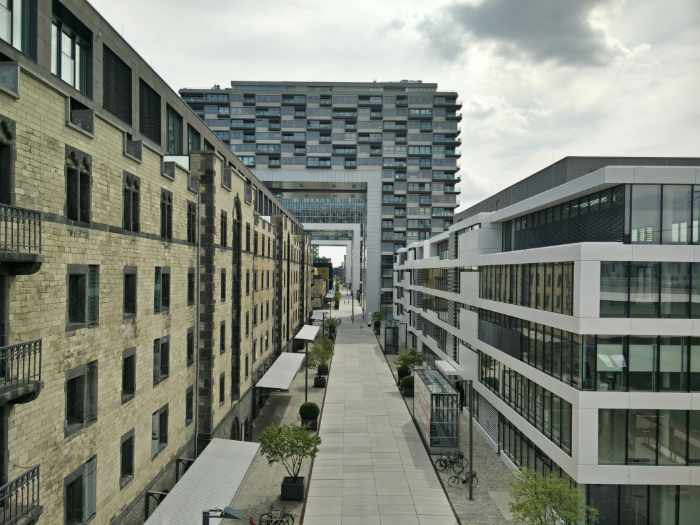
There’s something about the mid-rise residential development market that’s shifted these past few years. Walk into many new developments ranging from four-to-eight stories tall and there’s a strong possibility that a cabin lift lies somewhere beyond the entrance lobby. It’s not a selling point, with pictures in marketing brochures, but it’s there, doing its unspoken job. Click to learn more!
6 Reasons Why Property Developers Are Installing Cabin Lifts
But five years ago, this wasn’t the case. Developers rarely used lifts for buildings under ten stories; it was an added expense for builders who wanted to brand their luxury developments as high-end to charge those price premiums. Now they’re in your average build, aimed at young professionals and downsizing couples instead of penthouse dwellers, and it’s clear that the rapid transformation occurred in a timeframe less than expected by even the most in-tuned property stakeholders.
1. The Numbers Added Up
Things don’t get added by developers because they’re nice. They’re included because they add up. Somewhere along the line in 2020, the numbers made cabin lifts feasible.
First and foremost, population demographics fell into play. The UK is getting older, not by a vast margin, but enough across the board to make housing implications. If someone purchased a ground-floor flat a decade ago, more than likely, that same person is now looking at second or third-floor units, if there’s no need to trip and fall down a story of stairs. This isn’t a small target market, either, it’s a growing population with money to spend and criteria to fulfill.
And this isn’t just limited to older purchasers. Parents with young children, those recovering from injuries, those with temporary mobility issues, the list is vast for whom consideration for lift access appeals. When developers appeal to more than one niche demographic and not just a singularly themed group, that’s no longer a luxury; it’s a smart move.
2. Construction Regulations Weigh In
In tandem, regulations chimed in as well. With accessibility laws and policies on the rise, a mid-rise development does not have the same guidelines as public-facing large commercial entities; yet savvy developers already understood where accessibility regulation developments were headed. It’s cheaper to install relevant infrastructure now than retrofitting it down the line in five years when regulations catch up.
Furthermore, working with local planning authorities became an easier process when developments went beyond minimum accessibility standards and included other access points for general benefit. While this isn’t yet written into policy in most places, it stands to reason that getting planning permission is easier when a developer shows the building would be inhabited by a wider range of residents. For developers working in competitive markets where planning approval may trump others, this matters.
Related: 5 Trends in the Luxury Apartment Market for 2025
3. The Technology Evolved (and Quieted Down)
Cabin lifts received a bad reputation – they were noisy and space-consuming in addition to requiring extensive structural integration that impacted developer budgets over time. Present-day cabin lifts have cleared most of these hurdles out of the way. They’re quieter, smaller, and space-considerate when construction scheduling allows.
Specifically with mid-rise constructions, square meterages are limited; any square meter built is sellable square meterage. The older version required much more shaft and machine room space to limit the number of units per floor. Present-day cabin lifts fit into tighter footprints without compromising capacity and safety mechanisms, which means that developers need to sacrifice much less revenue-generating potential upon inclusion.
Cabin lifts aren’t cheap, a few years ago, installation would have added £80,000 to a project, but when buyers expressed interest in accessibility conveniences, cabin lift installation expenses became justified in mid-market projects. Now, with costs settled around £50,000 or so, it made sense and became more palatable to include.
4. Marketable Realities Developers Didn’t Expect
One interesting development when it comes to integrating cabin lifts into mid-rise buildings is that they become talking pieces, not in an obvious way for “luxury features” but from a practical perspective that helps buyers justify their purchase/living situation.
Agents increasingly found properties easier to show with lifts since prospective purchasers weren’t stuck worrying about how they were going to manage their lives but instead spent time envisioning themselves in the space, parents with prams picturing themselves navigating without wrestling them up flights of stairs, older buyers seeing themselves aging in place instead of facing a drastic move in just a few years. These aren’t emotional appeals; they’re practical considerations trumping purchase decisions.
The rental market met this even more directly. Buildings with cabin lifts boasted higher occupancy rates and slightly better rents; tenancies lasted longer due to limited moving which meant less turnover costs for buy-to-let investors. This makes sense for developers building to sell as buy-to-let investors care about long-term yield.
5. Construction Considerations Changed
Including cabin lifts requires shifts in project approach moving forward for construction teams – installation becomes required during critical junctions of building that needs to be scheduled properly with multiple trades on site. Fail to do so, and tenants might find themselves waiting far longer than anticipated, compounding construction schedule disasters.
Now developers invite lift professionals into the pre-planning stage instead of considering them special features or afterthoughts down the line. The integration of specialized cabins allows structural engineers to anticipate weight distribution and shaft requirements ahead of time instead of expensive changes occurring during construction – which means electrical systems can also be designed based on what the lift needs instead of retrofitted subsequently.
The bottom line? Cabin lifts are no longer perceived as special features in mid-rise construction but part of standardized inclusion from the get-go. When something becomes routine, costs decrease while quality increases. That’s exactly what happened here.
6. Is Resale Value Viable?
Ultimately developers care about one thing, getting what they create sold for more than it cost to create. Cabin lifts in mid-rise buildings are passing that test now more than ever.
Properties with lift access found themselves selling quicker for slightly better price per square meter compared with like-properties without them. The number isn’t overwhelming, a mere 3-5% in many markets, but it’s enough to make sense for installation costs from the get-go. More importantly, these properties find themselves attracting viewings and not wastefully awful offers that have properties sitting on the market too long.
For developers operating on slim margins, this matters extensively. A building sold out six weeks faster equals better cash flow options and diminished financing needs. Sometimes this is better than the actual price premium from the lift itself.
Where Do We Go from Here?
The trend of cabin lifts in mid-rise buildings shows no signs of changing back; if anything it’s increasing thanks to buyer expectations evolving all the time thanks to construction teams growing increasingly competent at installation.
Some developers are even planning cabin lifts into four-story buildings, an idea that would have seemed absurd just years ago, but now that all numbers account for buyer interest appeal against construction costs and lifetime value it makes sense here and there as well.
What was once a luxury feature only five years ago became standard infrastructure in shockingly little time before society caught on. The property market grows slowly, until it doesn’t, and cabin lifts in mid-rise buildings established one of those rare comprehensive cross-market evolutions that happened faster than any industry stakeholder anticipated.