Buying a home is one of the most exciting and nerve-wracking experiences in life. It represents a fresh start, new opportunities, and often the single largest financial investment you’ll make. That’s why pre-purchase home inspections are so important. They uncover potential problems before you sign on the dotted line, giving you the information you need to make a confident decision. While most buyers think of roof leaks, faulty wiring, or plumbing issues, one category of red flags often slips under the radar: pest problems.
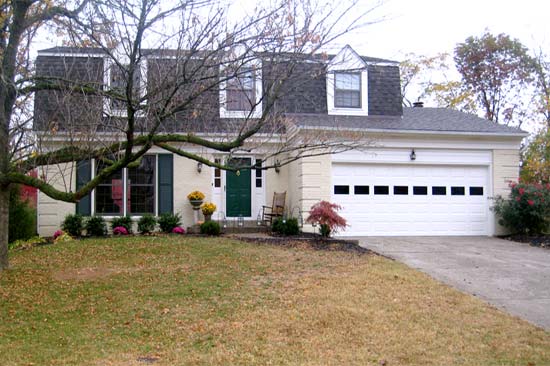
Pre-Purchase Home Inspections for Pests
Hidden infestations can cause serious structural damage, compromise health, and lead to ongoing costs long after closing. By learning what to look for and what questions to ask, you can avoid inheriting someone else’s headache.
Why Pest Concerns Deserve More Attention
When buyers hear “pests,” they often picture an occasional mouse or a line of ants in the kitchen. In reality, pest activity can be much more serious and far-reaching. Termites, for instance, silently eat through wooden beams and flooring, sometimes for years before they’re detected. Carpenter ants, powderpost beetles, and rodents can also leave behind damage that is costly to repair.
Unlike cosmetic flaws such as peeling paint or outdated fixtures, pest problems affect the safety and value of the home. They can also spread quickly, turning a minor concern into a full-blown infestation. That’s why a thorough home inspection should always include a review for pest evidence, either from the general inspector or a specialist.
Visible Warning Signs in and Around the Home
While professional inspectors are trained to notice the details, buyers can also keep an eye out during walkthroughs. Certain signs suggest that pests may already be making themselves at home.
- Wood Damage
Soft or hollow-sounding wood, tiny holes, or sawdust-like residue (known as frass) can all signal termites or other wood-boring insects. Because these pests often work behind walls and under floors, any visible damage may indicate a larger hidden problem. - Droppings and Odors
Small droppings in attics, basements, or along baseboards usually point to rodent activity. These areas might also carry a strong, musky odor that doesn’t go away with cleaning. Strong smells are a common giveaway of nesting sites. - Nesting Materials
Shredded paper, insulation, or fabric stuffed into corners often signals rodents. Wasps and bees may build nests in soffits or eaves, while ants often cluster near damp areas. Spotting nests is a clear sign that pests are active and reproducing. - Exterior Clues
Gaps in siding, cracks in foundations, and unsealed vents make easy entry points. If vegetation or mulch touches the foundation, pests have a direct pathway indoors. Even trees with overhanging branches can allow squirrels and other critters to get inside.
Why DIY Inspections Are Risky
Some buyers are tempted to rely on their own observations or advice from the seller. The problem is that many infestations are nearly invisible to the untrained eye. Termites, for example, may live underground or inside wooden structures for years without obvious signs. By the time a homeowner notices, the damage can already be extensive.
Professional inspectors bring specialized tools, training, and experience that most buyers don’t have. Moisture meters, thermal imaging, and detailed knowledge of local pest patterns allow them to identify risks you might miss. This step may add a small cost upfront, but it can save thousands in repairs and treatment later.
The Role of Pest Control Professionals
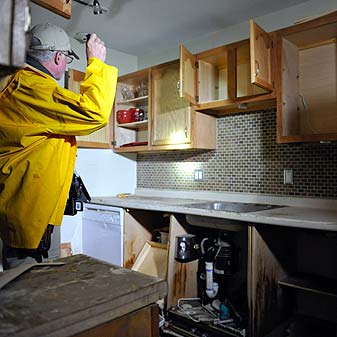
Even when an inspector doesn’t find major issues, it’s smart to consider a separate pest inspection before closing. Many companies offer detailed evaluations focused solely on insect and rodent activity. These professionals know where to look, how to interpret subtle signs, and what preventative steps to recommend.
Engaging a local pest control provider can also provide ongoing protection after you move in. From seasonal treatments to sealing entry points, they help create a safer, healthier environment for your family. Buyers who include this step in their home-buying checklist enjoy greater peace of mind.
Negotiating After a Pest Discovery
If your pre-purchase home inspections reveals active infestations or pest-related damage, don’t panic. Buyers often use this information to renegotiate. Depending on the situation, you can request that the seller covers the cost of treatment, repairs, or even reduces the sale price. Some buyers also make closing contingent on receiving a clean pest report.
Clear communication and proper documentation matter here. Having written proof from licensed professionals strengthens your case and protects you legally. Skipping this step leaves you at risk of paying for hidden damage later.
Preventing Future Infestations
Even after purchasing a home, prevention should remain a priority. Good maintenance habits go a long way toward reducing pest risks. Keep food stored in sealed containers, fix plumbing leaks quickly, and maintain proper ventilation in basements and attics. Regularly trimming vegetation and sealing cracks also creates barriers that pests struggle to cross.
Professional pest services can complement these efforts. Scheduling seasonal visits from a trusted pest control company not only prevents infestations but also builds a record of care that future buyers will appreciate if you sell the home.
Why Ignoring Pest Problems Is So Costly
Consider this: termite damage alone costs American homeowners more than five billion dollars every year. Insurance policies rarely cover this type of destruction, meaning you’re left to pay for repairs yourself. Rodents bring another risk by chewing electrical wires, which can lead to fire hazards. Ignoring these problems doesn’t just put your finances at risk—it jeopardizes your safety too.
Making Smarter Buying Decisions
Buying a home should be exciting, not stressful. By making pest evaluations part of your due diligence, you protect your investment and avoid unpleasant surprises. Pre-purchase home inspections that includes pest concerns gives you the knowledge and confidence to move forward wisely.
In the end, being thorough now saves you money and stress later. Work with your inspector, ask questions, and don’t hesitate to bring in pest specialists if needed. Your future self—and your bank account—will thank you.