Have you ever wondered what it would feel like to trade Louisville’s city pulse for the wide-open silence of South Dakota’s Black Hills? Imagine swapping bourbon bars for mountain trails and morning traffic for the hum of wind through pine trees. The idea sounds peaceful, but is it practical? In this quick hitter, we’re going to look at what relocating to the Black Hills in South Dakota would look like for you.
10 Things to Know When Relocating to the Black Hills, SD
More than courage, relocating across such different worlds takes clarity. Before you commit, you need to understand the real financial, environmental, and personal trade-offs. By studying cost of living, lifestyle, and employment realities through verified Black Hills relocation resources, you can make a confident decision about whether this move truly fits your future.
1. Understand the Lifestyle Trade-Off
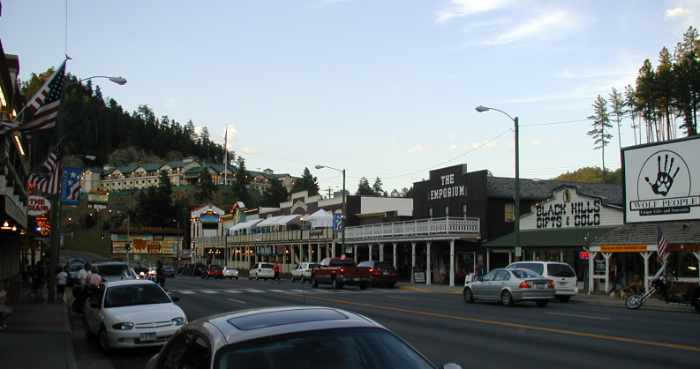
Choosing peace over nightlife is usually the reason behind leaving Louisville for the Black Hills. In the Hills, where towns like Rapid City, Spearfish, Hill City, and Custer anchor local life, you’ll find slower mornings, star-filled skies, and neighbors who still wave when they drive past. You’ll also notice fewer restaurants, shorter commutes, and quieter evenings.
The reward is authenticity. People move here because they want to live closer to nature and enjoy space that feels unhurried and genuine.
Where nature meets design, a different kind of luxury emerges. See how Black Hills living combines comfort, craftsmanship, and breathtaking scenery.
2. Cost of Living: Better Taxes, Different Costs
While peace is definitely a strong sales pitch, many families also leave Kentucky for South Dakota because of financial freedom. The state has no income tax, a major advantage compared with Kentucky’s 4.5 percent rate. That can free up thousands of dollars each year.
Housing, however, requires careful research. Rural lots and small towns often offer great value, but popular areas near Rapid City or Spearfish have seen prices climb due to tourism and in-migration. Louisville’s median home price still trends lower. Expect to pay a bit more for modern construction or mountain-view properties, but you may save in other categories like insurance and utilities.
To stay financially stable, compare prices using reliable Black Hills relocation resources before finalizing your move. Before you fall in love with your dream property, make sure your budget tells the full story.
3. Climate: Prepare for the Real Seasons
Louisville’s humid summers and mild winters differ greatly from South Dakota’s four-season climate. The Black Hills can shift from warm August afternoons to heavy snow by November. Winters are longer, and elevation brings dramatic weather swings.
Locals quickly learn two rules: dress in layers and watch the forecast. Snow tires, insulated plumbing, and emergency gear are smart investments. The payoff is clear air, low humidity, and plenty of sunshine. Many newcomers find the crisp weather invigorating after Kentucky’s sticky heat.
4. Employment and Economy
The Black Hills economy centers on healthcare, education, manufacturing, and tourism. Rapid City leads in job opportunities with regional hospitals, universities, and small industries. Remote work is also common, allowing many new residents to keep their existing jobs while enjoying a new lifestyle.
If your career depends on corporate headquarters or logistics networks, you’ll find fewer positions than in Louisville. However, small businesses thrive in this area. Many residents run service companies, creative studios, or real-estate ventures inspired by the region’s natural beauty.
Related: 5 Key Moving Tips When Relocating for a Job
5. Real Estate and Community Insight
Louisville’s brick houses and suburban layouts differ from the Hills’ log cabins, A-frame homes, and mountain chalets. Land is plentiful, but utility systems and internet access can vary widely. Before buying, inspect water rights, property access, and winter road maintenance.
Each community has a unique personality. Spearfish feels young and lively because of its university. Custer and Hill City are quieter, with strong community bonds. Rapid City balances convenience with local charm. Visiting in person before buying is essential since every valley and ridge has its own character.
6. Education, Healthcare, and Daily Living
Families relocating to the Black Hills from Louisville’s Jefferson County schools will find smaller districts with strong personal support. Teachers often know every student by name, and communities take pride in their schools.
Healthcare is well established. Rapid City Regional Hospital serves the region with modern facilities, while smaller clinics cover surrounding towns. Telehealth options have expanded, providing access to specialists without long travel times.
Groceries and essentials are easy to find in most towns, though rural residents may drive farther for larger shopping centers. Farmers’ markets and co-ops offer a reliable local food network.
7. Culture and Recreation
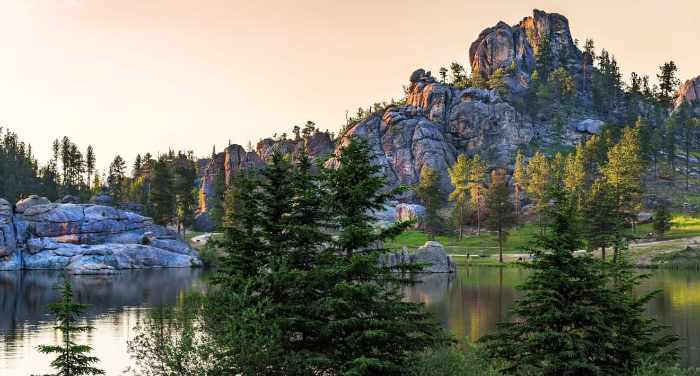
If you enjoy the outdoors, the Black Hills will feel like paradise. Hiking, mountain biking, fishing, and hunting are the activities waiting for you outside your door. Many locals plan weekends around trail systems, lakes, and scenic drives.
Cultural life is quieter but meaningful. You can explore art festivals in Hill City, live music in Spearfish, or historical reenactments in Deadwood. Community events replace big-city entertainment, giving newcomers a sense of connection that urban life often lacks.
Nestled among pine forests and scenic trails, Hill City offers more than a place to live. It offers a way of life.
8. Transportation and Accessibility
Transportation is straightforward but car-dependent. Public transit is limited, so owning a vehicle is essential. Rapid City Regional Airport provides reliable service to major hubs though most destinations require one connection.
Road conditions are generally good, and commutes are short compared with Louisville. Scenic routes make even routine drives enjoyable. For travelers, the region offers easy access to Mount Rushmore, Badlands National Park, and Custer State Park, all within a few hours of driving.
9. Social Mindset and Local Values
The Black Hills are known for independence, respect for hard work, and neighborly trust. People maintain their own properties, help each other during storms, and value self-reliance.
The local culture tends to be conservative, with strong faith communities and civic pride. Louisville newcomers often appreciate the simplicity and sincerity of daily life, though it can take time to adjust to slower rhythms and smaller social circles.
10. The Reality Check Before You Move
If you expect the same conveniences found in Kentucky’s larger cities, plan accordingly. Some areas have slower mail service, fewer chain stores, and limited internet coverage. But if clean air, safety, and an unmatched sense of space are what you’re looking for, you are definitely in the right place.
Visit the area in different seasons, research local utilities, and talk with residents before relocating to the Black Hills. A successful move depends on preparation and understanding what daily life truly looks like beyond the postcards.
Final Thought
Relocating to the Black Hills, SD from Louisville, KY is not just a change of address but a change of pace and purpose. Those ready to simplify, reconnect with nature, and build community often find that this region provides the balance they were missing. With careful planning, sound budgeting, and clear expectations, you can begin a new chapter surrounded by mountain views, grounded values, and genuine peace of mind.
When you’re ready to make the move, connect with local relocation professionals who can help turn your Black Hills transition into a seamless and rewarding experience.