Moving is one of the most stressful life events people face, and much of that stress comes from disorganization. From misplaced paperwork to forgotten items in closets, a move can quickly become overwhelming without structure. While no two households are the same, building daily habits before and during your move can keep the process manageable. If you follow these seven strategies to stay organized while moving, you can reduce the mental load and ensure a smoother transition into your new space.
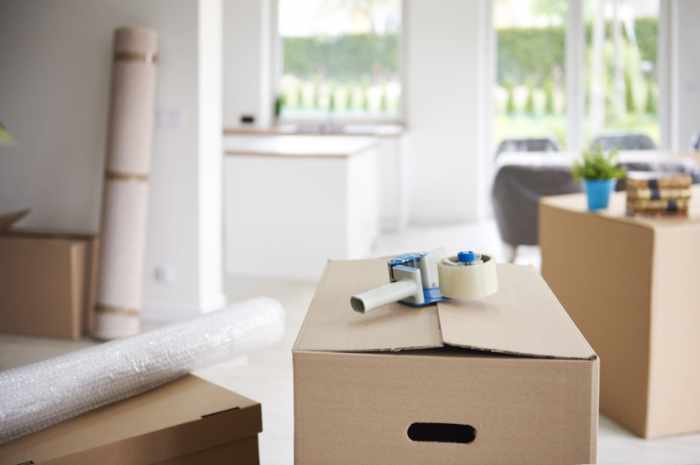
7 Daily Strategies to Stay Organized While Moving
If you really want to stay organized while moving, you have to have a plan. Then, you need to follow the plan. Here’s our moving made simple plan to help you make that happen!
1. Start with a Daily Packing Schedule
Rather than trying to tackle your entire home in a single weekend, create a daily schedule that spreads the work over several weeks. Start with items you rarely use, such as seasonal clothing, guest room linens, or decorative pieces. Assign each room a block of time across several days and limit your daily packing to one or two hours to avoid burnout.
Label every box with the destination room, contents, and whether it contains essentials or non-essentials. Use colored stickers or numbers for quick identification. Keeping a running inventory, either written or in a simple spreadsheet, will help you find what you need without having to open multiple boxes later.
2. Set Up a Central Moving Binder or Folder
Centralize all important documents related to your move. This includes contracts, receipts, utility transfers, change-of-address confirmations, and contact information for your real estate agent, utility companies, and movers. A physical folder works well for people who prefer hard copies, while a digital version using a note-taking app or cloud storage ensures access from any device.
Refer to this binder daily. Use it to check off completed tasks, track appointments, and keep notes about scheduling or items to revisit. This folder becomes your command center and prevents information from getting scattered across random notes or emails.
3. Use a Countdown Checklist
If you really want to stay organized while moving you’ll want to utilize a checklist. Create a countdown checklist that spans from eight weeks before your move to the final day. Break tasks into weekly goals, such as decluttering closets, donating unused items, and confirming moving truck reservations. As the moving day approaches, switch to daily check-ins where you tackle smaller but time-sensitive tasks like defrosting the freezer or setting up mail forwarding.
4. Declutter a Little Each Day
The fewer items you have, the less there is to pack, transport, and unpack. Spend 15 to 30 minutes daily sorting through drawers, closets, and storage areas. Set up three bins: keep, donate, and discard. Focus on one category at a time, such as kitchen gadgets or office supplies, rather than trying to clean out entire rooms in one sitting.
Keep donation boxes in a visible spot and schedule regular drop-offs so they do not linger. If you are discarding large furniture or electronics, plan for pickup or disposal so they are gone before moving day.
5. Create a Daily Essentials Station
Pack a few boxes or bags with daily essentials that you continue to use up until your move. This can include toiletries, medications, chargers, a few dishes, important clothing items, and any work-from-home supplies. Store these in one area of your home so they do not get accidentally packed away.
Having an essentials station ensures your routine can continue with minimal disruption. It also makes the last few days before your move more manageable because you are not hunting through packed boxes to find toothpaste or a phone charger.
6. End Each Day with a Quick Reset
Every evening, spend 10 to 15 minutes resetting your packing area and reviewing the next day’s tasks. Clear away packing supplies, update your inventory, and check your binder or checklist. If you have had furniture moved or areas cleared, make note of cleaning or minor repairs that still need attention.
This daily habit prevents messes from accumulating and keeps your focus sharp. It also creates a clear transition between your moving tasks and the rest of your evening, which supports better rest and mental clarity.
7. Communicate with Your Moving Team
Communication is key in order to stay organized while moving. This is true whether you are working with professionals or friends and family. Confirm dates, times, and responsibilities well in advance. Touch base with movers the week before your move to review any updates, confirm insurance coverage, and clarify who will be handling packing or specialty items.
Documenting and reviewing these details daily, especially as moving day approaches, helps avoid miscommunication and last-minute confusion. Even small issues, like forgetting to reserve a parking spot for the truck, can create major delays if not addressed early.
Staying organized during a move is less about finding a perfect system and more about consistent daily actions. The more you treat moving as a structured series of tasks rather than a chaotic event, the more control you will feel. With a manageable routine in place, even the busiest transitions become easier to handle. For more information, feel free to look over the accompanying infographic below.