Today’s real estate developer operates in a complex environment that integrates housing needs, commercial growth, infrastructure planning, and sustainability considerations. This role extends far beyond construction alone; it involves strategic planning, long-term execution, and accountability to the communities being served. By responding to the needs of diverse population groups, developers are able to transform underutilized areas into vibrant hubs that support regional economies while navigating regulatory and market realities. Today, we’ll look at the concept of thoughtful real estate development.
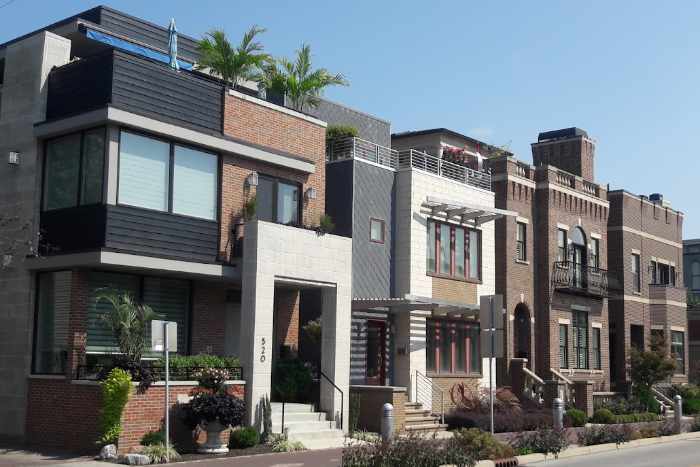
8 Ways Thoughtful Real Estate Development Shapes Neighborhoods
Modern real estate markets differ significantly from those of earlier growth phases, requiring developers to possess a deeper understanding of the responsibilities that underpin their work and the broader impact their projects have on the built environment. Let’s look at the different facets of thoughtful real estate development.
Understanding Regional Growth Patterns
Geographic diversity plays a major role in shaping development patterns across regions. Urban centers often prioritize transit connectivity and density, while suburban and outlying areas may focus on land availability, lifestyle preferences, and accessibility to services. Developers must consider these regional distinctions to ensure that projects align with local expectations and planning requirements.
Market studies help identify housing demand, employment trends, educational access, and transportation networks. When developers utilize thoughtful real estate development projects are more likely to integrate seamlessly into their surroundings, contributing positively rather than disrupting established community dynamics.
The Role of Vision in Long-Term Projects
At its core, successful development begins with a clear vision that extends beyond immediate construction goals. Long-term projects often take years to plan, approve, and coordinate among multiple stakeholders, requiring consistency and adaptability throughout the process. Developers must anticipate how a space will function over time, accounting for shifts in technology, living preferences, and economic conditions. Organizations such as Kalian Companies are often referenced in broader industry discussions for emphasizing continuity in planning and flexibility in evolving real estate environments. Vision-oriented development prioritizes environments that remain functional and relevant as surrounding areas change, supporting thoughtful land use and infrastructure planning that responds to present needs while allowing room for future adaptation.
Related: Developers: How to Create In-Demand Apartments
Navigating Regulatory and Zoning Frameworks
Real estate development is shaped by regulatory environments that influence both process and outcomes. Zoning laws, environmental assessments, and local approval processes require careful navigation. Developers must balance compliance with responsiveness to environmental and community concerns.
Effective regulatory navigation is not simply procedural; it directly impacts the quality and sustainability of development outcomes. Early engagement with planning authorities and local stakeholders allows developers to address potential challenges proactively, reducing delays and aligning projects more closely with broader planning objectives.
Balancing Residential and Commercial Needs
Mixed-use development has become increasingly common as living and working patterns evolve. Proximity between residential spaces, workplaces, retail, and recreation is valued by many communities. Achieving balance requires careful planning around traffic flow, noise levels, and accessibility. Residential areas should provide comfort and privacy, while commercial spaces remain active and accessible. When executed thoughtfully, mixed-use developments create neighborhoods that feel dynamic without being overwhelming. These projects can strengthen local economies, reduce commuting demands, and enhance overall quality of life.
Economic Impact on Local Communities
Real estate development plays a significant role in regional economic activity. Construction generates employment opportunities, while completed projects support long-term jobs through new businesses and services. Development also contributes to tax bases and infrastructure funding, influencing a region’s competitiveness.
The true economic value of a project extends beyond financial returns; it includes contributions to community stability, access to services, and long-term opportunity. Thoughtful development can attract investment and encourage sustainable growth that benefits both residents and businesses.
Sustainability and Responsible Land Use
Environmental considerations are now central to modern development practices. Responsible land use involves managing resources in a way that supports both current needs and future generations. Sustainability also influences long-term cost efficiency and public perception.
Developers who prioritize sustainable approaches can create projects that endure over time. This includes careful site selection, reuse of existing structures, and minimizing environmental impact. Sustainable development seeks to balance growth with ecological responsibility, ensuring that progress does not come at the expense of environmental health.
Community Engagement and Collaboration
Engagement with local communities is a critical component of successful development. Residents often have strong connections to their neighborhoods and a vested interest in how new projects will affect their daily lives. Open communication with the residents will bring in local concerns and aspirations to the process. Community meetings and public forums provide opportunities for transparent dialogue and collaborative problem-solving. Incorporating community feedback into project design can improve acceptance, foster a sense of shared ownership, and support long-term success.
Adapting to Market and Demographic Shifts
Market conditions and demographics continue to evolve, influencing housing demand, workspace needs, and lifestyle preferences. Changes in household size, work patterns, and consumer behavior require developers to remain adaptable. Flexible design allows developments to accommodate shifting uses over time. Developers who stay informed about demographic trends can anticipate emerging needs and adjust plans accordingly, creating environments that evolve alongside the people who use them.
The concept of thoughtful real estate development extends well beyond building structures. Vision, strategic planning, and long-term stewardship are central to the developer’s role. Through careful consideration of regional dynamics and meaningful engagement with communities, developers can shape environments that support economic vitality and enhance quality of life. As the relationship between built spaces and communities becomes increasingly evident, thoughtful development remains essential to fostering resilient, inclusive, and sustainable places for the future.