A well-kept yard adds value to a home and creates a pleasant outdoor space. During working years, many homeowners handle lawn care themselves. Over time, however, physical effort and time demands can make upkeep more difficult. But there are choices you can make regarding lawn care in retirement that can help maintain both property value and personal comfort.
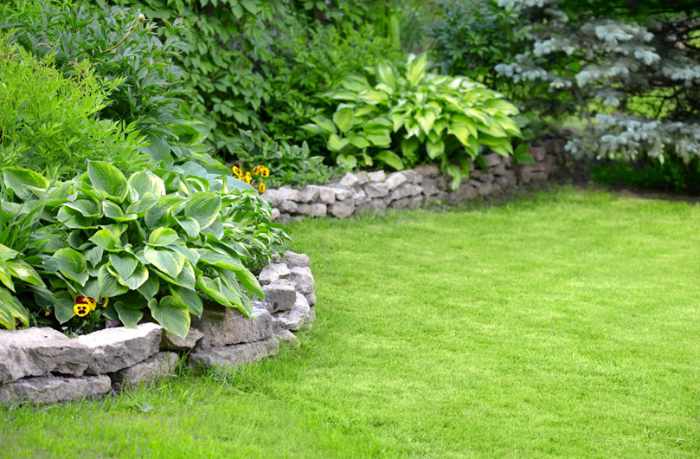
Steps for Proper Lawn Care in Retirement
While you could simply hire a quality local company to handle everything for you, that’s not necessarily the best approach. Keep reading to learn the key issues involved.
Assessing Long-Term Yard Needs
Every property has different maintenance needs. Large lawns, gardens, and trees require more time and effort than smaller, low-maintenance spaces. Before retirement, it is helpful to evaluate how much work your yard requires.
Consider tasks such as mowing, trimming, watering, and seasonal cleanup. Some homeowners may find these tasks manageable, while others may prefer to reduce their workload. Understanding these needs early allows for better planning. This step also helps identify areas where changes could simplify upkeep and reduce long-term effort.
Designing a Low-Maintenance Landscape
Reducing yard work can make a big difference over time. Simple design changes can lower the amount of care required while still maintaining an attractive space.
Options include replacing high-maintenance grass with native plants, adding mulch to reduce weeds, and installing efficient irrigation systems. Hardscaping features such as patios or walkways can also reduce the amount of lawn to maintain.
These updates can lower both physical effort and long-term costs. A well-planned landscape can remain appealing with less ongoing work and fewer seasonal demands.
Related: Landscape Maintenance Best Practices to Preserve Your Home’s Value
Budgeting for Future Care
Lawn care should be part of a retirement budget. Even small, routine services can add up over time. Planning for these expenses helps avoid financial strain later.
Costs may include mowing, fertilization, pest control, and seasonal cleanup. Some homeowners choose to hire lawn care services to handle these tasks on a regular basis. This can provide consistency and reduce the need for personal labor.
Setting aside funds for these services allows homeowners to maintain their property without unexpected expenses or last-minute decisions.
Considering Health and Mobility
Physical ability often changes with age. Tasks that once felt simple may become more difficult. Lawn care involves bending, lifting, and prolonged standing, which can increase strain over time.
Planning ahead allows homeowners to adjust before these challenges arise. Hiring help or simplifying the landscape can reduce physical demands. This supports both safety and comfort. Making these adjustments early can help maintain independence while reducing the risk of injury or fatigue.
Evaluating Property Choices
For some homeowners, long-term lawn care planning may influence housing decisions. Downsizing to a smaller property or moving to a community with shared maintenance services can reduce responsibilities.
Some developments include landscaping as part of their services. This can provide a consistent level of care without requiring direct involvement from the homeowner. Evaluating these options helps align property choices with future needs and lifestyle preferences.
Maintaining Property Value
Curb appeal remains important at every stage of homeownership. A well-maintained yard supports property value and makes a home more attractive to potential buyers.
Even with reduced effort, maintaining a clean and organized outdoor space is possible. Regular care, whether handled personally or through hired services, helps protect the investment made in the property.
Consistent upkeep also contributes to a more enjoyable living environment and a sense of pride in the home.
Planning for lawn care in retirement is a practical step that supports both comfort and long-term property value. By assessing needs, making smart design choices, and preparing for future costs, homeowners can create a plan that works for their lifestyle. With the right approach, outdoor spaces can remain manageable and enjoyable for years to come. For more information on a lawn care plan for retirement, look over the accompanying infographic below.