Louisville gets its drinking water from the Ohio River. By the time it reaches your faucet, it carries about 7.2 grains of hardness per gallon, confirmed in Louisville Water Company’s most recent annual quality report. So it’s official, we have hard water in Louisville with a “moderately hard water” rating. It explains a lot of what homeowners find frustrating about keeping fixtures clean. So, what can we do?
Hard Water in Louisville Homes: What Buyers and Homeowners Should Know
Hard water is not a safety problem. It is a maintenance problem. Calcium and magnesium dissolve naturally into the water as it moves through rock and sediment. They are harmless to drink. But they leave deposits behind everywhere the water goes — on fixtures, in pipes, inside appliances, on shower glass.
For buyers touring homes, those deposits are easy to spot if you know what to look for.
What to Look for During a Showing
You do not need a water test to catch the signs. Start in the kitchen, bathrooms, laundry area, and utility room.
| What You Notice | What It May Mean |
|---|---|
| White crust around faucets | Mineral buildup from evaporating water |
| Cloudy dishes or glasses | Hard water residue left after drying |
| Scale on shower doors | Calcium deposits from repeated water contact |
| Weak showerhead spray | Spray holes partially clogged with scale |
| Stiff towels after washing | Detergent not rinsing fully from fabric |
| Older water heater | Possible internal scale reducing efficiency |
One faucet with some buildup is not a red flag. Finding it throughout the kitchen, bathrooms, and utility room is worth asking about.
Why It Matters
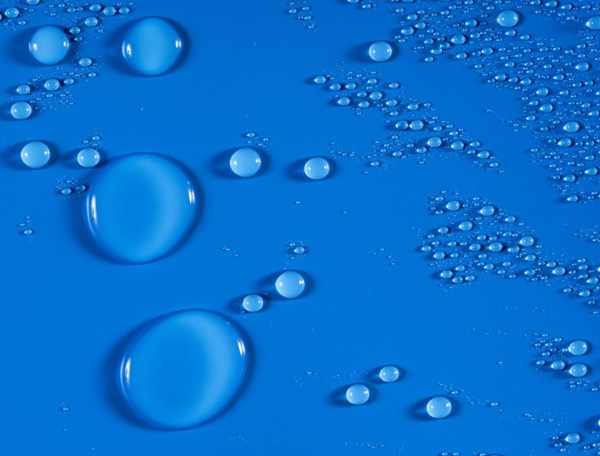
Hard water in Louisville does not cause emergencies. Instead, it causes slow, steady wear. Fixtures need more frequent cleaning. Showerheads clog faster. Soap does not lather or rinse as easily. Laundry comes out rougher. Water heaters and dishwashers work harder as scale builds up inside, which shortens how long they last.
For buyers, this is rarely a reason to walk away. It is a reason to budget correctly and ask the right questions before closing. If you want to understand how softening systems compare before you commit to anything, this homeowner guide from Quality Water Lab covers the options without the sales pitch.
If the home already has a softener installed, ask how old it is, whether it is owned or rented, and when it was last serviced.
Before and After a Water Softener
A properly sized softener cuts down on the mineral buildup behind most of these problems.
| Without a Softener | With a Softener |
|---|---|
| Scale returns quickly around faucets | Fixtures stay cleaner longer |
| Soap is harder to lather and rinse | Soap performs better throughout the home |
| Towels feel stiff after washing | Laundry comes out softer |
| Shower glass needs frequent scrubbing | Spotting is easier to manage |
| Showerhead spray becomes uneven over time | Fixtures are easier to maintain |
The system still needs to be the right size for your household and water use. A neglected or undersized softener is one more thing the next homeowner inherits.
Softener vs Filter: Not the Same Thing
A lot of homeowners confuse these two.
| Water Softener | Water Filter | |
|---|---|---|
| Targets | Calcium and magnesium (hardness) | Sediment, chlorine, lead, PFAS, taste, odor |
| Main benefit | Reduces scale and soap residue | Removes specific contaminants |
| Replaces the other? | No | No |
A softener does not filter contaminants. A filter does not soften water. Some homes need one. Some need both.
Related: What You Need to Know about Water Filter Maintenance
Questions to Ask Before Buying
If you are touring a home with signs of hard water, these questions take two minutes and can save real money later:
- Has the water been tested for hardness?
- Is there already a softener installed?
- How old is the system, and is it owned or rented?
- When was it last serviced?
- Has the water heater been flushed recently?
- Have there been any issues with low flow, scale buildup, or appliance problems?
When a Softener Makes Sense
Hard water signs in one spot are usually manageable. Hard water signs throughout the home — kitchen, bathrooms, laundry, utility room — are worth taking seriously.
If you are replacing a water heater, remodeling a bathroom, or finishing a utility space, that is the right time to plan for water treatment. Much easier before the walls go up.
If you are unsure whether the problem justifies the equipment, test first. A basic hardness test is cheap and gives you an actual number instead of guessing from visual clues.
The Bottom Line
At 7.2 grains per gallon, hard water in Louisville is not extreme. But it is hard enough that the effects show up over time. The buildup on one faucet looks minor. The same pattern across every fixture, the water heater, and the laundry room tells a different story.
Notice the signs. Ask the questions. Know what you are budgeting for before you sign.