A basement can be one of the most useful areas in a home, but it often needs extra attention to feel dry, clean, and comfortable. Because basements sit partly or fully below ground, they are more likely to deal with damp air, cool temperatures, musty smells, and water concerns. Following our basement comfort and moisture guide, homeowners can make a basement more livable while reducing moisture problems that may affect comfort, storage, and long-term home value.
5 Steps: Basement Comfort and Moisture Guide
Our basement comfort and moisture guide begins with finding any and all moisture sources. If there’s none, there are still steps to follow, but you’re in great shape! Keep reading to learn more.
1. Start with Moisture Sources
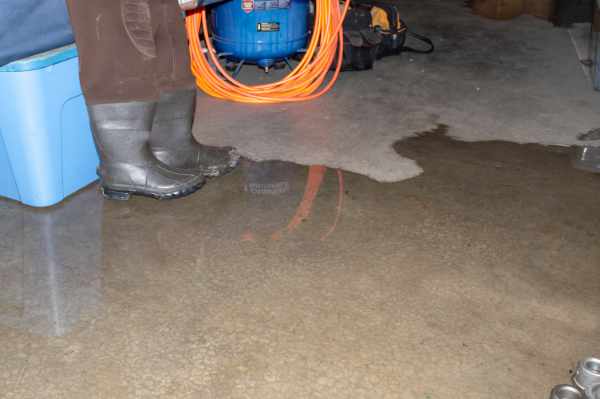
Basement moisture can come from several places. Rainwater may collect near the foundation if gutters, downspouts, or grading are not moving water away from the house. Moisture can also enter through small cracks in walls or floors. In some homes, humid outdoor air can create condensation when it meets cooler basement surfaces.
Homeowners should look for signs such as damp spots, peeling paint, musty odors, rust, or white mineral stains on walls. These clues can help identify where moisture may be entering or collecting. Addressing the source is usually more effective than covering up the symptoms.
2. Improve Airflow and Humidity Control
Comfort often depends on air quality. Basements may feel stuffy when air does not circulate well. Poor airflow can also allow moisture to linger, which may lead to odor and mold concerns. A dehumidifier can help keep humidity levels under control, especially during warmer months.
Fans, air vents, and HVAC adjustments may also improve circulation. Homeowners should avoid blocking vents with furniture, boxes, or storage bins. Regularly checking humidity levels can help keep the space more comfortable throughout the year.
Related: Finding the 5 Types of Hidden Damage Inside a Home
3. Choose Basement-Friendly Materials
Basement materials should be selected with moisture in mind. Carpet may feel warm underfoot, but it can hold moisture if the basement has humidity or water concerns. Tile, vinyl, sealed concrete, and moisture-resistant flooring options often perform better in below-ground spaces.
Before installing new floors, homeowners should confirm that the basement is dry and that any water issues have been addressed. A flooring company may help evaluate which materials are best suited for the space based on moisture levels, use, and design goals. Wall materials, trim, and insulation should also be chosen carefully.
4. Keep Storage Off the Floor
Basements are often used for storage, but poor organization can create problems. Boxes placed directly on the floor may absorb moisture during leaks or periods of high humidity. Plastic bins with sealed lids are usually better than cardboard for long-term storage.
Shelving can help keep belongings elevated and easier to inspect. Important items such as documents, photos, and seasonal decorations should be stored away from walls and corners where moisture is more likely to appear. Good storage habits make it easier to spot problems early.
5. Watch for Mold Warning Signs
Mold can develop when moisture remains in a basement for too long. Common signs include musty smells, dark spots on walls, or visible growth near windows, corners, and stored items. Mold may also appear behind furniture or inside closets where air movement is limited.
Small moisture issues should be addressed quickly before they spread. Larger mold concerns may require professional evaluation, especially if the affected area is widespread or keeps returning. A dry basement is easier to maintain and more pleasant to use.
Conclusion
A comfortable basement starts with moisture control, but it also depends on air movement, smart materials, good storage, and thoughtful design. Homeowners who address water concerns early and choose basement-friendly upgrades can create a cleaner, drier, and more enjoyable space. With steady maintenance and practical improvements, a basement can become a valuable part of the home rather than an area that feels cold, damp, or unused. Check out the infographic below for more information.