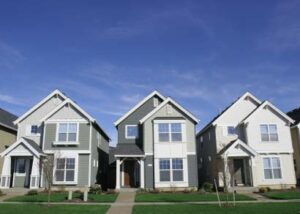
Today, we look at five types of hidden damage inside a home. A home may appear clean, updated, and move-in ready while hiding serious damage beneath the surface. Fresh paint, staged furniture, and modern finishes can improve first impressions, though cosmetic updates do not always reveal the true condition of a property. Some of the most expensive home problems develop slowly behind walls, under flooring, or inside structural systems, where they remain difficult to notice at first.
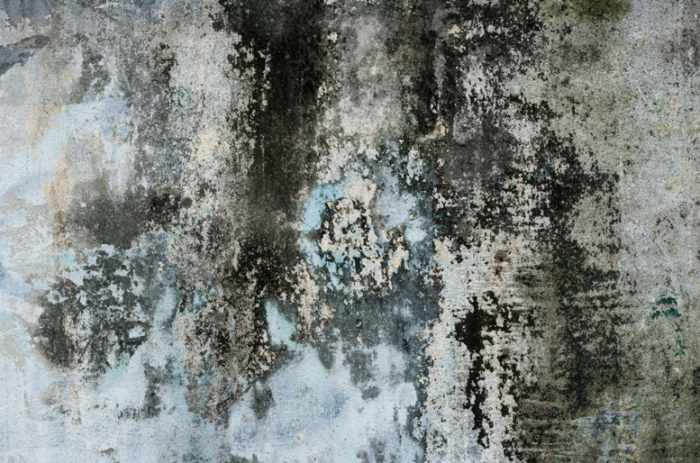
The Layers of Hidden Damage Inside a Home
Most hidden damage inside a home can be assigned to one of five categories:
- Water Damage
- Structural Problems
- Electrical Issues
- HVAC Problems
- Pest Damage
Let’s look at each one briefly.
1. Water Damage Often Spreads Quietly
Water damage is one of the most common hidden problems found in homes. Small leaks behind walls or beneath sinks may continue for months before visible signs appear.
Moisture often spreads through drywall, insulation, flooring, and wood framing. Homeowners may first notice peeling paint, warped floors, ceiling stains, or musty odors long after the original leak began. In some cases, mold growth develops in dark and damp areas where ventilation remains limited.
Roof leaks and plumbing failures frequently create damage that travels far from the source. A stain in one room may connect to a problem several feet away inside the structure itself. This is why professional inspections and water damage restoration services often focus on identifying moisture hidden behind finished surfaces rather than only repairing visible stains.
2. Structural Problems Can Remain Hidden
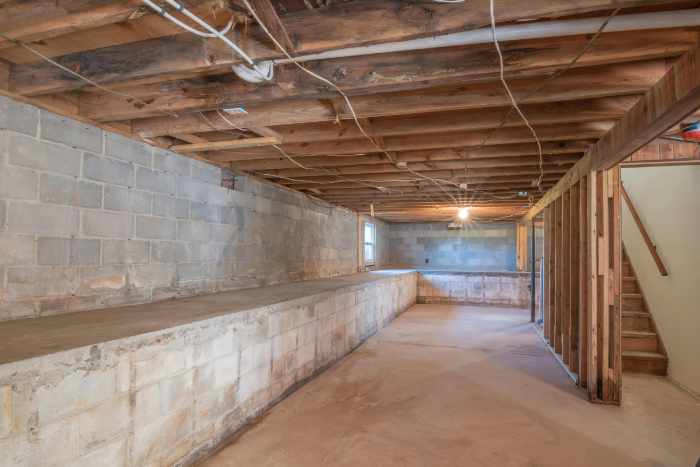
Structural damage is not always obvious during casual walkthroughs. Cracks hidden behind drywall, weakened support beams, or shifting foundations may continue worsening without immediate visible warning signs.
Doors and windows that suddenly stick or fail to close properly sometimes indicate movement within the structure. Uneven flooring, wall cracks, or sagging ceilings may also point to deeper structural concerns.
Older homes often carry additional risk because years of settling, weather exposure, or previous repairs may affect overall stability. Renovations completed without proper permits can create further complications if structural modifications were done incorrectly.
3. Electrical Issues Behind Walls
Electrical systems create another layer of hidden risk inside homes. Outdated wiring, overloaded circuits, or poorly completed repairs may remain unnoticed until serious problems develop.
Flickering lights, warm outlets, or frequently tripped breakers often signal electrical concerns. Some older homes still contain outdated wiring materials that no longer meet modern safety standards.
Improper electrical work performed during DIY renovations may also create long-term hazards. Wires hidden behind drywall can deteriorate over time if the installation was not completed correctly.
Related: 9 Common Electrical Hazards That Lead to House Fires
4. HVAC and Ventilation Problems
Heating, cooling, and ventilation systems affect both comfort and indoor air quality. Problems inside these systems may remain hidden while gradually affecting the home over time.
Dirty ductwork, blocked vents, or moisture buildup near HVAC components can contribute to poor airflow and higher energy costs. Condensation near air conditioning systems sometimes creates hidden moisture damage inside walls or ceilings.
Poor ventilation also increases the chance of mold growth in bathrooms, attics, and laundry areas. Homes that feel humid or develop lingering odors may have hidden airflow issues that deserve closer inspection.
5. Pest Damage Often Goes Unnoticed
Pests frequently create hidden damage before homeowners realize they are present. Termites, rodents, and carpenter ants may damage wood framing, insulation, wiring, and stored materials over long periods.
Small signs such as droppings, hollow-sounding wood, or unusual odors sometimes point to larger infestations behind walls or beneath flooring. Attics, crawl spaces, and basements often provide ideal conditions for pests because these areas receive less daily attention.
Hidden damage can affect a home’s safety, value, and long-term maintenance costs even when the property appears well-maintained on the surface. Paying attention to early warning signs and scheduling regular inspections can help homeowners address problems before they spread further through the property. To learn more about the hidden damage in your home, look over the accompanying infographic below.