Kentucky homeowners face a unique challenge when it comes to storm damage, as each season brings its own extreme weather threats that can wreak havoc on your property. Spring tornadoes give way to summer flash floods, which then transition to brutal winter ice storms. Staying ahead of seasonal hazards with targeted home maintenance is the most reliable way to protect your home’s value and avoid surprise repair bills.
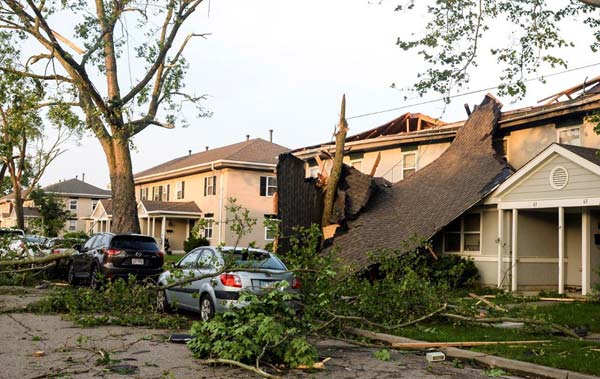
Preparing for Tornadoes and High Winds in the Spring
Winter’s freeze-thaw cycle stresses your home’s structure, but once temperatures stabilize, an entirely different threat emerges. Severe thunderstorms and tornadoes define Kentucky’s most volatile weather period, so addressing weak points with proper home maintenance now can prevent costly surprises when peak storm activity arrives.
Securing Your Home’s Exterior
When wind speeds reach destructive levels, everyday yard items become airborne projectiles that shatter windows and tear through siding. Kentucky has already experienced 24 tornadoes in 2026, causing $222,000 in property damage, compared with 39 tornadoes in 2025, which resulted in $18,050,000 in losses.
Anchor or store heavy outdoor furniture before severe weather threatens, and remove lightweight decorations entirely.
Roof and Siding Inspections
Your roof serves as the primary barrier against wind-driven rain and hail, but missing shingles create entry points where water infiltrates the underlayment. Eventually, the water may seep into your attic while loose panels fail under sustained high winds.
Walking around your property to spot compromised materials catches problems early. Even a single damaged shingle can lead to a widespread leak during severe thunderstorms, ultimately damaging insulation, drywall, and personal belongings throughout your home.
Defending Against Flash Floods and Heavy Rain in the Summer
Summer introduces different hazards once spring’s tornado activity subsides. Intense thunderstorms dump several inches of rain in short periods. Your home’s drainage system faces its greatest test when sudden downpours overwhelm gutters and saturate the ground around your foundation.
Gutter and Drainage Home Maintenance
When gutters overflow during heavy summer rainfall, water spills directly onto your roof’s edge and causes rot in the fascia boards and soffit. The same overflow directs water against your foundation instead of channeling it safely away from your home.
Clear debris from your gutters before storms intensify each summer. Trimming tree branches that hang over your roofline prevents leaves and twigs from dropping into the system in the first place, reducing the frequency of cleaning.
Protecting the Foundation
Flooding is projected to increase by 26% across the United States through 2050 due to climate change. This makes it more important than ever for Kentucky homeowners to address vulnerabilities now.
Poor water management during summer storms creates conditions in which indoor moisture leads to mold growth in poorly ventilated spaces, such as your basement, crawl space, or walls. Once established, mold can compromise organic materials such as wood framing and insulation while posing potential health risks to your family. What begins as exterior storm damage evolves into serious indoor structural issues if water management fails.
Minimizing Ice Storm and Freezing Damage in the Fall and Winter
Heavy ice buildup on tree branches, power lines, and roofs can cause structural failures during the coldest months. Prolonged exposure to subfreezing temperatures also puts your home’s plumbing at serious risk of rupturing.
Tree Care Before the Freeze
Ice accumulation adds tremendous weight to limbs and causes them to snap onto roofs or bring down power lines when you can least afford emergency repairs. Dead, diseased, or injured branches pose the greatest risk because they’re already structurally compromised before winter weather even arrives.
Identifying and removing them in advance prevents the most common forms of property damage. The optimal time to prune problematic limbs is during the winter-spring transition, when trees are dormant, as cutting then allows for maximum wound closure and reduces disease transmission that can further weaken the tree.
Insulating and Protecting Pipes
Water expands when it freezes inside your plumbing and creates enough pressure to rupture lines and flood entire rooms within minutes. Wrapping vulnerable plumbing with insulation or heat tape provides proven protection against this risk, particularly in unheated spaces where temperatures drop fastest.
State officials recommend the following home maintenance. Insulate pipes in exposed areas, such as crawl spaces, attics, and exterior walls. You can supplement this protection by leaving indoor faucets dripping slightly during extreme cold snaps while opening cabinet doors under sinks to let household warmth reach the plumbing. These simple measures prevent the kind of catastrophic failures that require immediate professional intervention.
Take Control of Seasonal Home Maintenance
The difference between properties that hold their value and those that suffer major storm damage often comes down to whether owners act before problems develop or scramble to respond after they appear. Small preventive steps cost almost nothing compared to emergency repairs, and the peace of mind that comes from knowing your home can handle whatever weather arrives is worth the effort. Stay proactive, and you’ll avoid the costly surprises that catch unprepared homeowners off guard.