Grandparents often enjoy turning their homes into welcoming spaces for family visits. Once young grandchildren begin crawling, climbing, and exploring, everyday household items can suddenly become safety concerns. A coffee table corner, loose cord, or unlocked cabinet may seem harmless to adults while creating real risk for small children. Let’s look at an easy-to-follow grandkid-proofing guide.
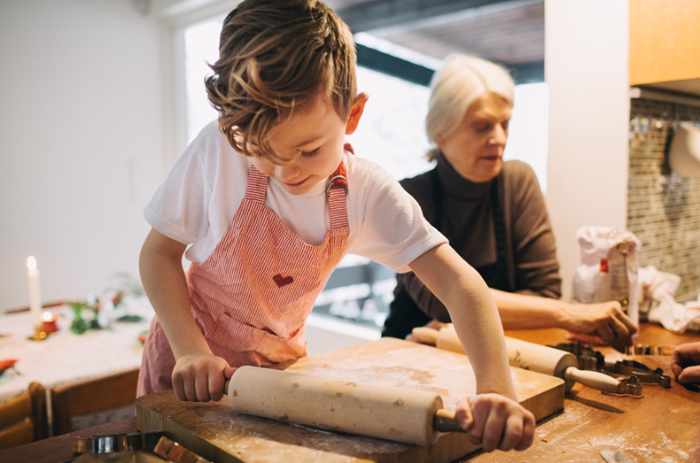
Grandkid-Proofing Guide
Living rooms and family spaces are often where children spend most of their time during visits. These rooms usually contain furniture, electronics, cords, and decorative items that attract attention quickly.
Sharp furniture corners can cause injuries during falls or rough play. Corner guards and soft edge protectors help reduce this risk without changing the appearance of the room significantly. Heavy furniture such as bookshelves and televisions should also remain secured to walls whenever possible.
Small decorative items may become choking hazards for toddlers. Candles, coins, batteries, and fragile decor should stay stored on higher shelves or inside closed cabinets during visits.
Focus on Kitchen Safety
The next stop in our grandkid-proofing guide is the kitchen. They contain many hazards for young children because they combine heat, sharp tools, cleaning products, and electrical appliances in one area.
Cabinet locks help prevent children from reaching chemicals, medications, or breakable items stored below counters. Knives and sharp utensils should remain inside secured drawers or be placed well out of reach.
Appliance cords also create safety issues. Hanging cords from coffee makers, slow cookers, or toasters may tempt curious children to pull appliances from countertops. Keeping cords shortened and organized reduces this risk.
Stove safety matters during family gatherings or holidays when kitchens become busier than usual. Pot handles should turn inward while cooking, and hot drinks should stay away from counter edges where children can reach them easily.
Make Bathrooms Safer for Young Visitors
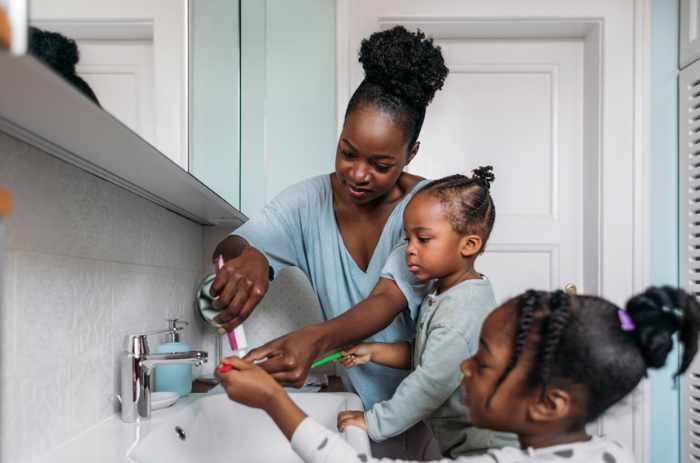
Bathrooms often contain slippery surfaces and medications that require extra attention during visits from grandchildren.
Non-slip bath mats and textured tub strips help reduce falls around wet surfaces. Water temperature should also stay at safe levels to lower the risk of burns during baths or hand washing.
Medication storage is especially important. Prescription bottles, vitamins, and personal care products should remain locked away or placed in high cabinets. Even common products such as mouthwash or lotion may be harmful if swallowed by young children.
Related: Creating the Perfect Family-Friendly Bathroom: 6 Tips to Make It Happen
Check Electrical and Fire Safety
Electrical outlets naturally attract curious children, especially toddlers. Outlet covers provide a simple way to reduce electrical risks throughout the home.
Loose wires and overloaded power strips should also be addressed. Older homes may need updated wiring or outlet placement to improve overall safety. Some homeowners work with electricians when adding grounded outlets, improving lighting, or updating older electrical systems.
Smoke detectors and carbon monoxide alarms should remain tested and functional at all times. Families should also keep fire extinguishers easily accessible in kitchens and utility areas.
Create Safe Sleeping and Play Areas
Children need comfortable spaces where they can rest and play safely during visits. Portable cribs, baby gates, and soft play mats can help create temporary child-friendly areas without making permanent changes to the home.
Toy storage also matters. Keeping toys organized inside bins or baskets reduces clutter and lowers the chance of tripping. Broken toys or items with loose parts should be removed quickly.
Window blind cords deserve attention as well because they may create strangulation hazards for younger children. Cordless blinds or secured cords improve safety in bedrooms and play spaces.
Our grandkid-proofing guide highlights several simple steps that create a safer environment for family visits. These changes help grandparents create spaces where families can relax, visit comfortably, and focus more on spending time together instead of worrying about preventable accidents. Look over the infographic below for more information.