Buying or selling a home is an exciting process, but it can quickly turn stressful when unexpected issues come to light. While fresh paint, modern fixtures, and staging can make a property look appealing, hidden plumbing problems often remain beneath the surface. These issues can delay a sale, reduce the property’s value, or even cause a deal to fall apart entirely. Let us help you know what to do.
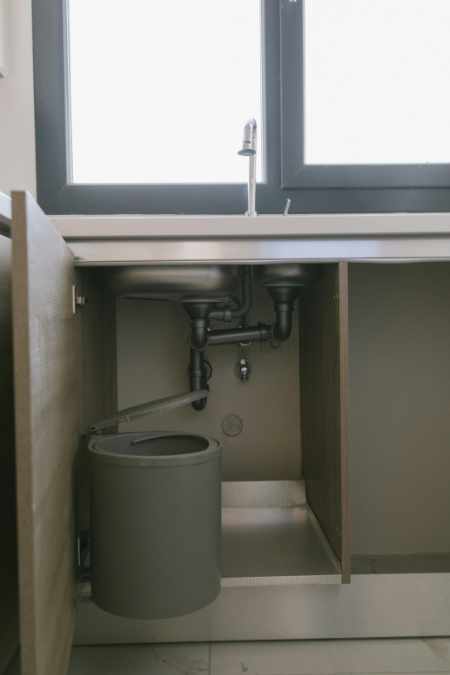
Why Hidden Plumbing Problems Matter More Than You Think
Knowing what signs to watch for early can help both buyers and sellers avoid unexpected and expensive issues. Here are the most common hidden plumbing problems and how to identify them before they become deal breakers.
Plumbing problems are more than simple annoyances, as they can often indicate underlying structural or system-related concerns. Unlike cosmetic flaws, which are relatively easy to fix, plumbing failures can be expensive and disruptive.
For buyers, these problems can mean unexpected repair bills after closing. For sellers, they can lead to price negotiations, failed inspections, or last-minute deal cancellations. That is why plumbing should always be taken seriously during the home-buying process, and how you can identify red flags during a home inspection.
1. Slow Drains and Recurring Clogs
A slow drain might seem like a small issue, but it can indicate a much larger problem within the drainage system. Recurring clogs often point to buildup, damaged pipes, or even issues in the main sewer line.
Buyers should test sinks, tubs, and showers during viewings. If water drains slowly or backs up, it is worth investigating further. Ignoring this early warning sign could lead to significant repair costs down the line.
2. Low Water Pressure
Low water pressure is another common problem that many buyers overlook. While it could be caused by something simple like a clogged aerator, it can also signal pipe corrosion, leaks, or outdated plumbing systems.
Turn on multiple faucets at once and observe how the water flows. If the pressure drops noticeably, there may be an underlying issue that needs attention.
3. Water Stains and Discoloration
Water stains on ceilings, walls, or floors are clear indicators of leaks. Even if the area has been recently painted, discoloration or soft spots may still be visible.
These marks usually indicate active leaks or previous water damage that may not have been fully resolved. In some cases, they can also lead to mold growth, which adds another layer of concern for both health and property value.
4. Unpleasant Odors
Strange smells coming from drains or basements should never be ignored. Sewer-like odors can indicate problems with venting systems, dried-out traps, or even cracks in sewer lines.
If a property has persistent odors, it is important to identify the source. These smells are not just unpleasant; they often signal issues that require professional attention.
5. Outdated or Problematic Piping
Older properties often still rely on aging plumbing materials like galvanized steel or clay piping. Over time, these materials are more likely to corrode, develop leaks, or become blocked. Buyers should always check the age and type of pipes in the home, as outdated systems can result in expensive repairs sooner than expected.
6. Basement Moisture and Sump Pump Concerns
A damp basement is a major red flag, especially in areas prone to heavy rain or snowmelt. Moisture can indicate foundation issues, poor drainage, or a failing sump pump.
Check for signs such as musty smells, visible water, or efflorescence on walls. A properly functioning sump pump is essential in preventing flooding, so any concerns in this area should be taken seriously.
The Real Cost of Ignoring Plumbing Issues
Hidden plumbing problems have the potential to completely ruin a home sale. Buyers may request repairs, negotiate a lower price, or walk away entirely if issues are too severe.
For sellers, addressing these problems early can make the property more attractive and reduce the risk of delays. For buyers, identifying issues before closing provides an opportunity to make informed decisions.
How Buyers Can Protect Themselves
One of the best ways to avoid unpleasant surprises is by scheduling a professional plumbing inspection before finalizing the purchase. It gives buyers confidence and helps them clearly understand the property’s true condition.
A detailed inspection can uncover hidden leaks, sewer line issues, and other problems that may not be visible during a typical walkthrough. It gives buyers confidence and helps them clearly understand the property’s true condition.
Many buyers also review resources that explain the home-buying process to better understand what inspections are necessary before closing.
What Sellers Can Do to Avoid Deal Breakers
Sellers can also benefit from being proactive. Fixing known plumbing issues before listing a property can help prevent complications later on. Simple steps like repairing leaks, clearing drains, and ensuring all fixtures are functioning properly can make a big difference.
Being transparent about the condition of the plumbing system also builds trust with potential buyers and can lead to smoother negotiations.
Final Thoughts
Plumbing problems are often hidden, but their impact on a home sale can be significant. By knowing what to look for and taking the right precautions, both buyers and sellers can avoid costly surprises and keep the transaction on track.
Whether it is slow drains, low water pressure, or signs of water damage, these problems should never be ignored. Taking action early can save time, money, and stress, making the home-buying or selling experience much more enjoyable.