When considering resale value, homeowners often focus on kitchens, bathrooms, flooring, paintwork, and exterior aesthetics. While these updates are important, buyers also pay close attention to the systems that ensure a home is comfortable, efficient and reliable. One of the most important of these is the HVAC system. In this post, we’re looking at how HVAC maintenance and repairs should be a top priority for every home seller looking to optimize their selling price.
HVAC Maintenance and Repairs Is Key
Although heating, ventilation, and air conditioning may not be the most visible part of a home tour, they can strongly influence how a buyer feels about a property. A house that is too warm upstairs, has poor air circulation in certain rooms, makes strange noises, or has an old air conditioning unit may make buyers question its suitability before they even make an offer. Conversely, a well-maintained HVAC system makes a home feel cared for and comfortable, and makes it easier to own.
For homeowners planning to remain in their property, regular HVAC maintenance and repairs improve daily comfort and help to reduce unexpected repair costs. For those thinking about selling, it can also boost buyer confidence and make the property more appealing.
Why HVAC Condition Matters to Buyers
While a buyer may not understand every technical detail of an HVAC system, they will usually notice comfort issues quickly. For example, if one bedroom feels much warmer than the rest of the house, if the system struggles to cool the property during a viewing, or if the outdoor unit appears neglected, buyers may assume that the property has been poorly maintained.
This assumption can create hesitation. Even if the rest of the house is in good condition, an unreliable HVAC system can lead to concerns during the inspection process, resulting in repair requests or price negotiations. Buyers often consider future costs. If they think that the air conditioner, furnace, ductwork, or thermostat may need attention soon, they may take that into account when making an offer.
This is particularly relevant in warmer climates, where cooling is not a luxury, but an essential part of everyday comfort. In areas with long cooling seasons, a reliable air conditioning system can significantly impact how habitable a home feels.
Maintenance Helps Preserve System Performance
Routine HVAC maintenance and repairs are about more than just preventing breakdowns. It ensures that the system operates as close as possible to its design specifications. Over time, reduced performance can be caused by dust, debris, clogged filters, worn parts, low refrigerant, blocked drain lines, and electrical issues.
Even if a system turns on, that does not mean it is working efficiently if it has not been maintained. It may run for longer than necessary, cool unevenly, or use more energy than necessary. These issues often become more noticeable in hot weather when the system is under greater strain.
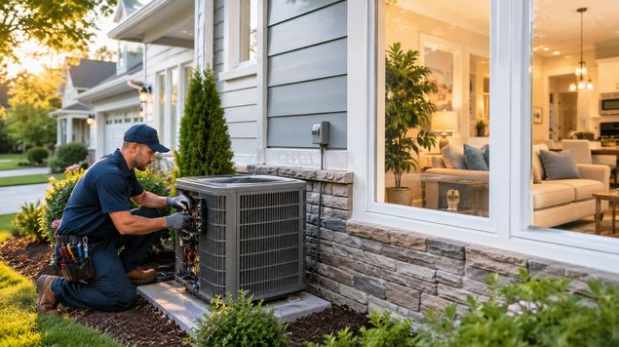
HVAC maintenance basics usually involve checking the airflow, cleaning or replacing filters, inspecting electrical components, cleaning coils, checking refrigerant levels where applicable, clearing condensate drains, and reviewing thermostat operation. Taking these steps helps to identify small issues before they become expensive problems.
For homeowners, this means greater comfort and fewer unexpected issues. For prospective buyers, a documented maintenance history demonstrates that the property has been well looked after.
Repairs Can Protect More Than the HVAC System
Some homeowners delay HVAC repairs because their system is still running. This can sometimes make the problem worse. Issues such as a small airflow restriction, a failing capacitor, a refrigerant issue, or a clogged drain line may eventually affect other parts of the system.
For example, poor airflow can cause the system to work harder, which may reduce its cooling performance. A drainage problem can cause water damage near the indoor unit. Electrical issues can lead to the system operating intermittently or failing suddenly. A struggling compressor can transform a minor repair into the need for a full replacement.
Timely repairs not only protect your comfort, but also prevent secondary problems. When buyers see that repairs have been carried out quickly, they are less likely to worry about hidden maintenance issues after completing the purchase.
Comfort Problems Can Affect the Way a Home Shows
A home may look beautiful in listing photos, but still feel uncomfortable during a viewing. The buyer experience is influenced by factors such as temperature, airflow, humidity, and indoor air quality.
If a home feels stuffy, is unevenly cooled, or feels humid, potential buyers may not want to spend much time inside it. They may also start to wonder whether the insulation, windows, ducts, or HVAC system need attention. Even if the issue is minor, it can create a negative impression.
Before putting a property on the market, it is sensible to test the HVAC system under normal conditions. Walk through the property while the system is running. Check the bedrooms, upstairs areas, extensions, rooms exposed to the sun, and areas furthest from the air handler. While uneven comfort does not necessarily mean that the system needs replacing, it does mean that the cause should be identified.
Energy Efficiency Is Part of Home Value
Today, many buyers think about monthly ownership costs, not just the purchase price. Energy bills can affect how affordable a home seems after the sale. For example, an HVAC system that runs for too long, cycles frequently, or struggles to maintain a consistent temperature may suggest higher utility costs.
Although maintenance can help to preserve efficiency, older or poorly sized systems may still be costly to operate. If a system is approaching the end of its expected service life, homeowners should consider comparing the cost of repairs against the value of replacing the system.
This does not mean that every older system must be replaced before it is sold. In many cases, a clean inspection, recent servicing, and honest documentation are sufficient. However, if the system is clearly failing, making excessive noise, operating inefficiently, or unable to keep the home at a comfortable temperature, it may be worth considering replacing it before putting the property on the market.
The best decision depends on factors such as the age of the system, its repair history, the local climate, the condition of the home, and the likely expectations of the buyer.
HVAC Documentation Can Reduce Buyer Uncertainty
One of the simplest ways to maintain a high resale value is to keep good records. Maintenance invoices, repair documentation, warranty information, installation dates, model numbers, and inspection reports can all help to answer potential buyers’ questions.
These records demonstrate that the homeowner has not neglected the system. They also help buyers to understand what has been done and what may still be needed.
When Repairs Are Better Than Replacement
Not every HVAC issue requires a new system. In many cases, repairing the system is the better choice, particularly if it is not very old and the problem is limited to one component.
Repairs may be a good option when the system has been well maintained, the cost is reasonable, the equipment still has a long life ahead of it, and the comfort issues are minor. Examples of such repairs include replacing a capacitor, clearing a drain line, fixing a thermostat issue, repairing a blower component, or addressing a specific airflow problem.
For homeowners planning to sell soon, repairing the system may be more practical than replacing it, provided it is still functional and the inspection concerns can be addressed without incurring high costs.
When Replacement May Add Confidence
Replacement may be a better option if the system is old, unreliable, or inefficient, or if it requires repeated repairs. It may also be worth considering if the system uses outdated equipment, struggles during extreme weather conditions, or is unable to keep the home at a comfortable temperature.
A new HVAC system can be a selling point, as buyers will be reassured by the knowledge that they are less likely to incur significant mechanical expenses immediately after moving in. It can also facilitate a smoother inspection process and make the home more competitive against similar properties.
However, replacement should be carefully planned. The new system must be the right size for the home, installed by a professional, and matched to its ductwork, insulation, and comfort needs. Poorly installed or oversized equipment can create new comfort and efficiency problems.
Local Climate Should Shape the HVAC Strategy
Decisions regarding HVAC systems vary from market to market. In cooler regions, for example, heating performance may be the main concern. In warmer regions, however, air conditioning reliability may matter more to buyers.
For instance, homeowners in Southern California typically depend on cooling systems during the hot months, so prospective buyers may expect a property to have reliable air conditioning. Homeowners preparing a property for sale in this type of market should therefore pay close attention to the performance, airflow, and service history of the air conditioning system.
If a home is located in or near Lake Forest, California, reviewing residential HVAC services in Lake Forest can help homeowners understand the types of diagnostics, maintenance, repairs, and replacement options that may apply before listing or upgrading a property.
Indoor Air Quality Also Plays a Role
Comfort is not only about temperature. Indoor air quality can also affect how a home feels. Dusty vents, dirty filters, poor ventilation, musty smells, or humidity problems can make buyers question the condition of the home.
HVAC maintenance and repairs help reduce some of these issues. Filter replacement, coil cleaning, duct evaluation, and airflow checks can all contribute to a cleaner indoor environment. In some homes, additional solutions such as improved filtration, duct sealing, or ventilation upgrades may be worth discussing with a professional.
For families, allergy-sensitive buyers, and people working from home, indoor air quality can be an important part of the decision-making process.
What Homeowners Should Do Before Selling
Before putting their home on the market, homeowners should take a few practical steps regarding their HVAC system.
- Arrange a professional inspection or maintenance visit.
- Replace the air filter.
- Test the heating and cooling modes.
- Ensure that every room feels reasonably comfortable.
- Listen out for any unusual sounds.
- Look for any visible water near the indoor unit.
- Ensure that the vents are open and unobstructed.
- Gather service records and warranty documents.
If the technician identifies an issue, ask whether it requires a minor repair, indicates a performance problem, or is a sign of broader system wear. This information will help homeowners decide whether to repair or replace the system, or simply document its condition for buyers.
It is usually better to take these steps before listing, rather than waiting for a buyer’s inspection to uncover the issue.
A Well-Maintained HVAC System Supports the Whole Home
While HVAC maintenance and repairs may not be as visually exciting as a remodel, it plays a crucial role in homeownership by ensuring everyday comfort. A home that heats and cools properly feels more reliable and liveable, and is perceived as being better cared for.
For sellers, this can mean fewer objections from buyers and a smoother inspection process. For long-term homeowners, it means greater comfort and efficiency, and fewer emergency repairs. For buyers, it provides reassurance that one of the home’s major systems has been well maintained.
Whether preparing to sell or simply trying to protect the property’s value, HVAC maintenance and timely repairs are practical investments for homeowners. They ensure comfort in the present while maintaining the home’s long-term appeal.