A chimney cleaning appointment goes better when the house is ready before the technician arrives. Most of the preparation takes less than an hour over the day or two before the visit, and each step affects how thoroughly the crew can clean and inspect the chimney. The sequence below follows the order most providers raise, starting with the booking call and moving through the last walkthrough.
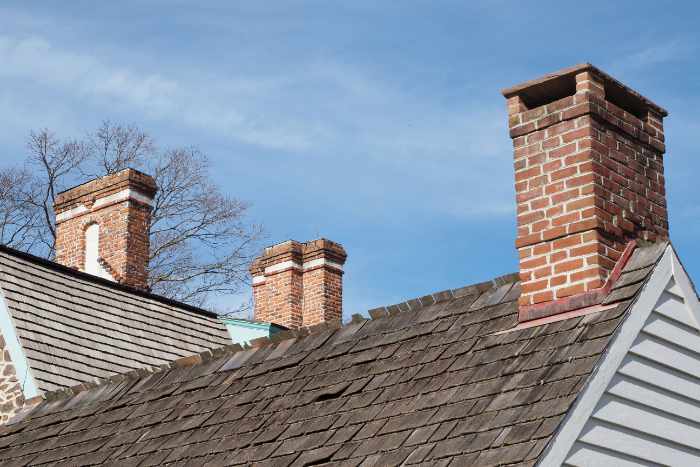
Confirm What the Appointment Includes
Chimney cleaning services are often quoted as a single line item, so the scope can be easy to miss when comparing prices. The Chimney Safety Institute of America certifies sweeps and describes a complete chimney cleaning as work that covers the flue and the smoke chamber. In a masonry fireplace, the smoke chamber sits above the firebox and holds the smoke shelf. A quote that covers only part of that path can leave soot where it may still cause trouble.
The appliance matters at this stage too. A wood-burning fireplace and a wood stove both produce creosote, a flammable residue that builds up inside the flue and is the main thing a sweep removes. A gas insert produces no creosote, though its vent still needs inspection and cleaning. The scope of the visit changes with the fuel, so tell the provider exactly what the chimney serves. That keeps the quote and equipment list accurate.
Inspection follows its own standard. NFPA 211, published by the National Fire Protection Association, recommends inspecting chimneys, fireplaces, and vents at least once a year, with cleaning, maintenance, and repair done as necessary. That is not a requirement to sweep every year on a fixed schedule. The inspection is the annual event, and the findings determine what work follows, if any. CSIA certification, the credential to ask about when booking, is built around this standard.
Sweeping and inspection are separate tasks, so the booking call should establish whether the visit pairs them and how the findings will be delivered. Some providers give a written report, others a verbal summary at the door. Comparing quotes by scope shows what each fee covers more clearly than the headline price alone.
Stop Burning on the Schedule the Provider Gives
The same booking call settles the burning schedule. Ask how long the fireplace or stove should sit unused before the appointment, then follow that timing as closely as possible. It varies by appliance and season.
That call is also the moment to ask what should be left for the crew. Some want the ash left in place, others want it removed during the chimney cleaning process, and the same goes for grates and andirons. Leave components where they are unless the provider says otherwise. The homeowner mainly needs to provide access and information.
One check is best done the day before: open and close the damper, the metal plate above the firebox that controls airflow to the flue. The crew needs it open to run brushes up the chimney. A damper stuck with rust or soot is easier to flag early than to discover mid-appointment. If it will not move, leave it alone and mention it to the tech before the chimney cleaning takes place.
Related: How Roof Repair Services Can Protect Your Home From Costly Damage
Know Which Inspection Level to Expect
NFPA 211 defines inspection levels. The two a homeowner is likely to hear about are Level 1 and Level 2. A Level 1 inspection covers the readily accessible portions of the chimney, meaning the parts a technician can see and reach during a routine visit. It suits a system that has been used the same way with no reported problems. A Level 2 inspection adds a camera or video scan of the flue interior and reaches areas a visual check cannot.
The scope can often be set at booking from the known history. A planned appliance change, a property sale, or a previous chimney fire points toward Level 2 under CSIA’s Level 2 Masonry Fireplace SOP. That SOP also recommends Level 2 when a Level 1 inspection cannot determine serviceability, so the level can still be revised when on-site findings warrant it. Reports of smoke backing into the room, a sluggish draft, animal sounds in the flue, or debris collecting in the firebox are worth sharing at booking. The symptoms list near the end of this article covers these signs.
A Level 2 visit takes longer, and some providers quote it separately from the sweep itself. Knowing that in advance keeps the invoice from becoming a surprise if the technician recommends the camera after hearing the symptoms.
When the booking is for a professional chimney sweep and cleaning, confirming that the inspection follows NFPA 211 means the findings are recorded against a published standard, with the level matched to what the chimney shows. It is also reasonable to ask whether the technician holds current certification from the Chimney Safety Institute of America before the visit is scheduled.
Clear the Hearth and the Room Around It
After the booking details are settled, the physical prep starts. The hearth, the noncombustible floor in front of the fireplace, is where the crew stands and lays out tools, so it needs to be empty before work begins. Remove decor from the mantel and the hearth itself. Carry log holders and loose kindling to another room unless the provider has asked for them to stay. Move fragile objects on nearby shelves, even when they sit outside the drop-cloth zone.
Move furniture within several feet of the fireplace back, and roll up thin rugs near the work area. Soot smears under pressure. A rug that catches it is harder to clean than one kept out of the room. Technicians travel with drop cloths. Staging extra sheets or plastic sheeting along the route from the door to the fireplace can reduce cleanup afterward. It is safer to take down wall decor directly above the mantel, because the work involves rods and brushes moving inside the chimney for the length of the visit.
Leave a clear rectangle of floor around the hearth, with enough room for the vacuum and a place to set tools.
Leave the Ash and the Vacuuming Alone
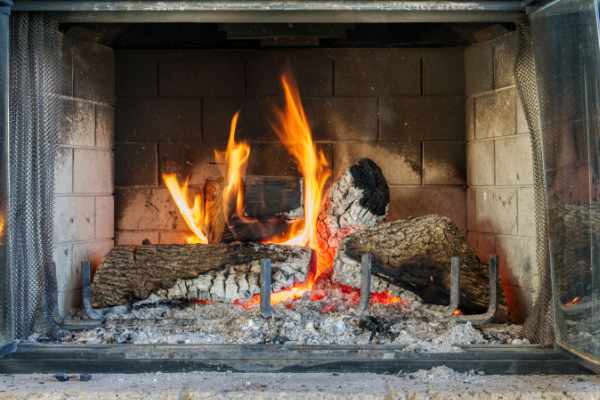
Resist the urge to tidy the firebox with a household vacuum. Soot particles are fine enough to pass through standard vacuum bags and filters, and the exhaust returns them to the room air. Sweeps use vacuums with HEPA-grade filtration built for fine particulate. This part of the cleanup belongs to the crew.
Debris in the firebox is also evidence for the inspection. Twigs and nesting material point to animal activity. Flakes of masonry or metal can point to deterioration inside the flue. A technician who can see the debris has a head start on the inspection. Anything unusual that has turned up in recent weeks should stay in place and be mentioned at the door.
When ash must come out before the visit, it belongs in a metal container with a tight-fitting lid, set outside on noncombustible ground. Embers can hold heat long after a fire looks out. A plastic bin or a paper bag turns that residue into a hazard on the porch.
Prepare the Household and the Access Route Before the Chimney Cleaning
Pets belong in a crate or a closed room for the length of the appointment, and children should stay out of the work zone while the crew is setting up. The equipment is loud, the door to the outside may be propped open, and steel brushes and rods on the floor are not safe around a curious dog.
Access matters as much as the room itself. Clear a path from the driveway to the fireplace and unlock any side gates. Move vehicles if the truck needs to park close to the house. A spot near the entrance shortens setup. In winter, clear the walk of snow before the crew arrives.
If the chimney is reached through an attic hatch, or if the job could involve the roof, say so at booking and make sure the hatch is unobstructed. A gated entry or a parking restriction deserves a message the day before. The roof is the technician’s responsibility. No part of the preparation requires the homeowner to climb anything.
Write Down Symptoms and Questions for the Walkthrough
A short written list, made before the visit, keeps small observations from being forgotten once the crew is working. Items that belong on it include smoke backing into the room, a sluggish draft, scratching or animal sounds in the flue, water stains on walls or ceiling near the chimney, and any lingering odor from the firebox. Each one gives the technician a specific place to look during the inspection. Some can shift the visit from a Level 1 inspection to a Level 2.
Animal activity deserves its own line on the list. Nests are a common obstruction in chimneys that sit unused through warm months. Scratching sounds or dropped twigs in the firebox are the usual signs. A nest changes the job because the blockage has to come out before the flue can be swept and inspected properly.
The appointment should end with a walkthrough of the findings. A thorough provider reviews the condition of the flue, liner, chimney cap, and mortar joints, along with any repairs worth scheduling and the reasoning behind them. Notes taken during that walkthrough, or a phone photo of the written report, prevent a second service call when a recommended repair gets booked months later.
A working carbon monoxide alarm is a reasonable thing to ask about at the same point, particularly if the chimney has been drafting poorly during the season. The technician can say whether the symptoms reported line up with the condition of the flue. That answer shapes what happens next.
This preparation needs no tools or technical knowledge. It requires a booking call that pins down scope, a fireplace given time to cool, clear access through the house, and notes the technician can act on during the chimney cleaning. With that in place, the visit can end with a clean flue and a documented record of the chimney’s condition before deciding the next step.