A professional home inspection is one of the first real costs a buyer encounters in the purchase process. Before contracts are signed, many buyers have already paid for a report that helps them decide whether to proceed. But as we’re living in a free market here in America, costs can vary. In this article, we’re going to outline what determines the cost of a home inspection.
What Determines the Cost of a Home Inspection?
The time, expertise, and access required can vary considerably from one property to the next. Understanding what drives those differences helps buyers evaluate quotes more clearly and make better decisions before they commit.
Property Size and Layout
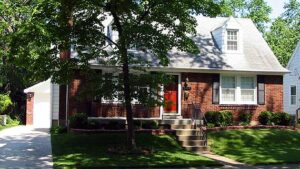
First on our list of factors that affect the cost of a home inspection is the property’s size. Larger properties simply take longer to inspect. A sprawling four-bedroom home with a double garage, workshop, and detached shed involves far more ground to cover than a compact two-bedroom house on a standard lot.
Several factors influence how much time an inspector needs:
- Number of bedrooms and bathrooms
- Single-storey versus multi-storey layouts
- Garages, sheds, and other detached structures
- Roof space and subfloor areas
- Complex or extended floor plans
A straightforward layout allows an inspector to work efficiently. Unusual additions, multiple buildings, or irregular floor plans add time and, in most cases, cost.
The Age and Condition of the Property
Older properties often require more careful examination. An inspector working through a home built several decades ago may encounter aging roof materials, signs of movement or cracking, moisture damage, or deteriorated timber that needs closer attention.
Previous renovations and extensions can also add complexity. Work carried out without proper permits or by unskilled tradespeople may not meet current building standards, and identifying those issues takes time.
It is worth noting that the presence of these features does not automatically mean a property is defective. Many older homes are structurally sound and well-maintained. What it does mean is that the inspection may take longer, and that additional scrutiny in certain areas is part of what you are paying for.
The Scope of the Inspection
Two providers may offer very different services at similar price points, which makes direct price comparisons difficult without reading the fine print. Common inspection types include:
- Building inspections
- Pest inspections
- Radon inspections
- Mold inspections
- Structural inspections
- A combination of these
Depending on the property, you might also consider an apartment inspection, a new-build defect inspection, or a pre-sale inspection. Some quotes include additional structures or specialist testing. Others cover only the main dwelling. Before accepting any quote, confirm exactly what is included so you are comparing services on equal terms, not just comparing numbers.
Access and Property Complexity
Some properties are simply harder to inspect than others. Restricted access can come from a low-clearance subfloor, limited roof entry, stored belongings, sloping land, or unusual construction methods.
Each of these adds time and affects the work involved. Not every area can always be fully inspected. A professional inspector will document any inaccessible areas and explain why, so you know exactly what the report covers.
Location and Regional Pricing
Inspection fees also vary between cities, regions, and countries. Local operating costs, travel requirements, housing types, and regional inspection practices all play a role in how providers set their prices.
This means a fee that seems high in one market may be standard in another. Researching pricing specific to your location gives you a much more accurate benchmark than relying on figures from a different city or country. For buyers in Australia, for example, Inscope Property Inspections outlines the factors and typical price considerations affecting building inspections in Melbourne.
Inspector Experience and Report Quality
Price alone does not tell you much about the quality of an inspection. Two quotes at similar figures can represent very different levels of service, depending on who is doing the work and what they deliver.
When comparing providers, consider their background in construction or inspection work, the areas they cover, and how detailed their reports are. Find out when the report will be delivered and whether you can ask questions after receiving it. It is also worth confirming whether the inspector personally performs the work or delegates it to others.
Some providers include exclusions or access limitations in their terms. Reading those carefully before booking helps you avoid surprises once the report arrives.
Related: Pre-Purchase Home Inspections: Watch for Red Flags
Questions to Ask Before Accepting a Quote
Before you accept any inspection quote, a few direct questions can save you from misunderstandings later.
- What areas and structures are included?
- Is pest inspection included or quoted separately?
- Are there additional fees for travel or difficult access?
- What will the report contain, and how detailed is it?
- When will the report be delivered?
- Can I ask questions after I receive it?
- What areas may not be accessible on this property?
- Are any additional inspections recommended for this property type?
Written answers to these questions make it easier to compare providers side by side. They also give you a clear record of what was agreed before the inspection takes place.
Compare Value, Not Just Price
The lowest quote is not always the best option. A cheaper inspection that misses key areas, delivers a vague report, or excludes pest assessment may cost you more in the long run than one priced slightly higher.
Assess each quote against the property you are buying. A larger, older, or more complex home warrants closer scrutiny of what each provider actually covers. A clear written quote that spells out inclusions, exclusions, report format, and delivery timeframe gives you the information you need to make a fair comparison. The cost of a home inspection is a small part of the overall cost of buying a property. What you get for that fee can make a significant difference to how confidently you move forward.