Buying a home is one of the biggest investments you will ever make. It’s exciting, but it also carries risks. A property might look picture-perfect at first glance, but beneath the surface, there could be issues that cost you thousands of dollars later. This is why a thorough home inspection is essential. A well-done inspection gives you the facts about the condition of the house so you can make confident choices. In this guide, we’ll show you how to spot the most important red flags during a home inspection. We’ll share why ignoring them can turn your dream home into a financial nightmare.

Spotting the Red Flags During a Home Inspection
Why waste time? Let’s jump right in and identify how you can spot any red flags during a home inspection!
What Exactly Is a Home Inspection?
A home inspection is a professional evaluation of a property’s condition. It takes place after you make an offer but before the purchase is finalized. During the inspection, a licensed inspector carefully reviews major systems and structures in the house, such as the foundation, roof, plumbing, and electrical systems.
It is important to understand that a general inspection has limits. Inspectors can flag problems but may recommend specialized experts for deeper reviews.
Why a Home Inspection Is Necessary for Buyers
The importance of a home inspection goes far beyond knowing the property’s condition. Lenders rely on appraisals to decide how much they are willing to finance. If a home has significant problems, it can affect the appraisal value. This could impact your mortgage approval or change the terms of your loan.
A detailed inspection also gives you leverage if you believe the appraisal is incorrect. If the lender’s assessment does not reflect the true condition or market value of the home, inspection findings can be used as evidence to challenge it. Buyers have the right to dispute an appraisal and request a review. Experts who know how to challenge a home appraisal can help you in this process. By combining inspection results with professional support, you strengthen your position and protect your financial investment.
Structural Issues That Signal Trouble
The structure of a home is its backbone. Cracks in the foundation, uneven floors, or doors that do not close properly may all indicate bigger problems. These issues are often expensive to fix and can affect the safety of the entire building. While small hairline cracks might not raise concerns, larger or expanding ones can signal foundation movement.
If a home shows signs of serious structural damage, you should consider the long-term costs before moving forward. Even with repairs, such homes may face lower resale value.
Electrical Red Flags You Can’t Ignore
Electrical systems are often hidden behind walls, but their condition matters for both safety and convenience. Outdated wiring, overloaded circuits, or do-it-yourself fixes are common issues that inspectors discover. These problems increase the risk of fire and may not meet current safety codes.
Replacing or updating electrical systems can be expensive, especially in older homes. If the inspection reveals serious electrical concerns, you will need to consider whether the cost and safety risks are acceptable.
Hidden Plumbing Problems
Certain plumbing issues are common red flags during a home inspection that can turn into major headaches. Leaks may show up as water stains on walls or ceilings, while mold or musty smells often point to hidden moisture. Old or corroded pipes may need replacement, and poor drainage can affect the foundation of the property.
Since water damage often spreads before it becomes visible, even small leaks can lead to expensive repairs. An inspection helps reveal these problems before you finalize the purchase. If the plumbing system needs extensive work, it can be a point for negotiation with the seller.
Roofing and Attic Concerns
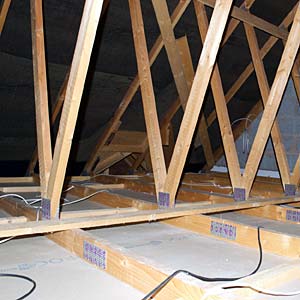
The roof is one of the most important parts of any home, yet it is also one of the most expensive to replace. A home inspection should always include a careful look at the roof for missing shingles, sagging sections, or evidence of water intrusion. Damage that looks small on the surface can point to bigger problems underneath, such as rot or weakened support structures.
The attic provides another layer of insight. Inspectors often check the attic for proper ventilation, insulation, and any signs of leaks. Knowing what shape the roof and attic are in helps you prepare for immediate repairs or future replacement costs.
Environmental Hazards Buyers Must Watch For
Beyond visible issues, some properties carry hidden environmental risks. Older homes may still contain asbestos in insulation or lead-based paint, both of which pose health concerns. Radon is another hazard that can seep into homes from the ground and is not detectable without proper testing.
Mold growth is another frequent issue, often caused by moisture buildup or poor ventilation. Even a small patch of mold can be a warning sign that larger hidden colonies exist. These hazards not only affect health but also influence property value and insurance options. Depending on the region, local regulations may also require specific remediation steps. Being aware of these potential problems gives you the chance to make informed choices before committing to the purchase.
Choosing the Right Inspector and Experts
The value of a home inspection depends on the skill and knowledge of the person performing it. A qualified inspector will be licensed, experienced, and thorough. Before hiring, ask about their training, certifications, and areas of expertise. It also helps to review sample reports to see how detailed their findings are.
Sometimes, one inspector is not enough. If the inspection raises concerns in areas like structure, roofing, or environmental hazards, calling in additional experts can save you from future headaches.
Conclusion: Negotiating Repairs and Price Adjustments
One of the biggest benefits of a thorough inspection is that it arms you with knowledge to use in negotiations. If you identify the red flags during a home inspection now you can ask the seller to make repairs before closing. In some cases, it may make more sense to request a credit and handle the repairs yourself.
Knowing which repairs to push for is key. Major structural or safety issues should be non-negotiable, while smaller cosmetic concerns can sometimes be set aside. The inspection report serves as leverage, helping you balance fairness with protecting your long-term investment.
A home inspection is not just about uncovering what is wrong—it is about equipping yourself with the knowledge to move forward wisely. The process may feel overwhelming at times, especially when faced with a long list of repairs or risks, but every detail gives you more control over your purchase. Instead of fearing what the inspection might reveal, approach it as your opportunity to see the property clearly and prepare for what lies ahead.