A house can make a strong first impression and still hide a problem that changes the entire buying process. Fresh paint, updated flooring, new fixtures, and a well-kept yard can make a property feel move-in ready. But wastewater problems are rarely obvious during a casual showing. They sit below ground, behind walls, or at the edge of the property where buyers are least likely to investigate. In this piece, we look at why some homes fail inspection because of issues with their wastewater.
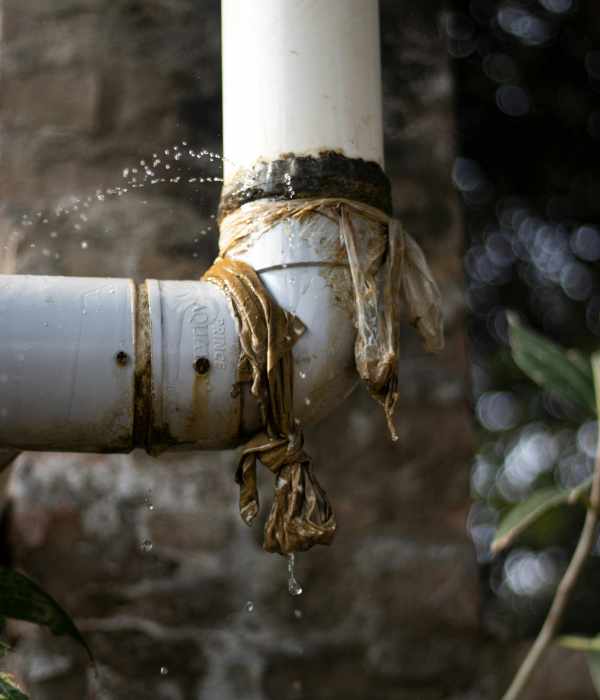
Why Some Homes Fail Inspection Due to Wastewater Issues
Wastewater concerns can become a serious issue during inspections and appraisals. A buyer may love the home, the seller may accept the offer, and the process may seem smooth until questions arise about how wastewater is handled, whether the system is functioning properly, or whether past maintenance was ignored.
For properties that do not rely entirely on municipal sewer service, this becomes even more important. Septic systems, private lines, drainage areas, and soil absorption fields can all affect habitability, financing, resale value, and long-term ownership costs.
Why Wastewater Problems Matter in Real Estate
Wastewater systems are not cosmetic features. They are part of the property’s basic function. If the system cannot safely move wastewater away from the home, the result may include backups, odors, standing water, contamination concerns, or damage to the surrounding land.
During a standard home inspection, the inspector may notice warning signs, but they may not fully evaluate every underground component. Appraisers also do not perform technical wastewater testing. Their concern is whether the property appears safe, functional, marketable, and acceptable to the lender.
That gap is where many buyers get caught. They assume the issue would be obvious if something were wrong. In reality, a wastewater system can appear normal during a 30-minute showing but still have serious weaknesses.
The Inspection Problems Buyers Often Miss
One reason wastewater issues are overlooked is that buyers tend to focus on the inside of the home. They check the kitchen, bathrooms, basement, roofline, windows, and storage areas. The yard may be judged mostly by appearance.
But wastewater clues are often subtle. A low area of the lawn that stays damp longer than the rest of the property may suggest poor drainage. A strong odor near the back or side yard may point to more than a minor nuisance. Slow drains inside the home may be blamed on old plumbing when the larger issue is farther downstream.
Buyers should be especially cautious when a home has:
- Older plumbing or outdated wastewater records
- Recent additions that increased water usage
- A large household using a system designed for fewer occupants
- A soggy or uneven area near the wastewater disposal zone
- Strong odors near drains, cleanouts, or sections of the yard
- A history of backups, pumping problems, or emergency repairs
None of these automatically means the home is a bad purchase. But there are reasons to investigate before removing inspection conditions.
Related: Spotting the Red Flags During a Home Inspection
How Wastewater Issues Can Affect an Appraisal
Homes fail inspection all the time, and people usually understand why. Appraisals, on the other hand, are often misunderstood. An appraiser is not there to perform a full mechanical inspection, but visible defects and major concerns can still influence the valuation process. If a wastewater issue affects the property’s usability, safety, or market appeal, it may become part of the appraisal discussion.
For example, a property with a questionable wastewater system may raise concerns for the lender. If the home cannot be considered fully functional, financing may become more complicated. In some cases, the lender may request further evaluation, proof of repair, or clarification before proceeding.
This can slow the closing timeline and create pressure on both parties. The buyer may want answers before taking on the risk. The seller may be asked to provide records, fix the problem, or adjust the agreement. What began as a hidden maintenance issue can quickly become a negotiation point.
The Difference Between a General Inspection and a Specialized Review
A general home inspection is valuable, but it has limits. Inspectors can observe symptoms, test fixtures, look for visible concerns, and recommend further evaluation. However, wastewater systems often require more targeted assessment.
That is why dedicated septic inspections for homebuyers can be useful when a property depends on an onsite wastewater system. A specialized review may look at components that a general inspection cannot fully confirm, such as tank condition, drainage performance, access points, usage history, and signs of system stress.
This is not about making the purchase process more complicated. It is about knowing what kind of property you are actually buying.
Common Reasons Wastewater Systems Become Deal Issues
Several wastewater problems tend to appear during real estate transactions.
- The System Is Near the End of Its Useful Life
Older systems may still operate, but age matters. A buyer needs to know whether the system has years of service left or whether replacement could be approaching. A seller may say there have been no recent problems, but the lack of problems is not the same as proof of condition. - Maintenance Records Are Missing
A property with no service history can create uncertainty. Buyers may wonder when the tank was last pumped, whether repairs were completed properly, or whether previous owners ignored warning signs. - The Property Has Changed Over Time
Homes are often expanded, renovated, or used differently than they were when the wastewater system was first installed. More bathrooms, additional bedrooms, rental use, or larger families can increase demand on a system that was not designed for that level of use. - Yard Conditions Suggest Trouble
Wastewater problems may show up outside before they show up inside. Soft ground, unusual plant growth, persistent wet areas, or unpleasant smells can all indicate that something deserves a closer look. - Drainage and Wastewater Issues Are Being Confused
Not every wet yard is a septic problem. Sometimes the issue is grading, stormwater runoff, clogged gutters, or poor landscaping. But buyers should not guess. The important thing is to identify whether the moisture is a surface drainage issue or a wastewater concern.
What Buyers Should Ask Before Closing
Buyers do not need to become wastewater experts, but they should ask better questions. Useful questions include:
- What type of wastewater system serves the property?
- When was it installed?
- Are permits or installation records available?
- When was it last serviced?
- Have there been backups, odors, or repairs?
- Has the home been expanded since the system was installed?
- Are there any restrictions on where additions, patios, pools, or landscaping can be placed?
These questions help buyers understand whether the system fits the property’s current use and future plans.
Why Sellers Should Care Too
Wastewater concerns do not only affect buyers. Sellers can also benefit from addressing these issues early. When a problem appears late in the transaction, it can create mistrust and give buyers leverage.
A seller who has maintenance records, inspection results, and clear answers is in a stronger position. Even if the system is older, transparency helps prevent surprises. Buyers are often more comfortable with an older system that has been maintained than with a mystery system no one can explain.
Final Thoughts
Wastewater systems are easy to overlook because they are not part of the home’s visual appeal. Yet they can influence inspections, appraisals, financing, negotiations, and long-term ownership costs.
For buyers, the lesson is simple: do not judge a home only by what is visible. Homes fail inspection each and every day, and that doesn’t mean it’s the end of the world. But a standard home inspection doesn’t cover everything.
Ask about wastewater early, review the records, look for warning signs, and bring in the right professional when the property requires it. A beautiful home is still a major investment, and the systems hidden beneath it deserve the same attention as the rooms everyone sees.