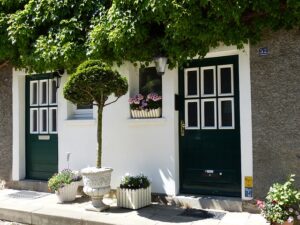
Choose the right exterior paint colors and it’s a very noticeable way to update a home. The right combination can highlight architectural details, improve curb appeal, and create a welcoming first impression. For Louisville homeowners, the decision involves more than picking a favorite shade. Consider the home’s architectural style, surrounding landscape, neighborhood character, and local weather conditions.

How to Choose the Right Exterior Paint Colors for Your Louisville Home
Whether you’re refreshing a traditional brick house or updating a more contemporary property, a thoughtful color scheme can help your home look cohesive and well-maintained. Here are several practical tips to guide your next exterior painting project.
1. Consider Your Home’s Architectural Style
Before you choose the right exterior paint colors, take a closer look at your home’s design. Architectural features can help you narrow down colors that look most natural on the property.
Traditional homes often work well with classic neutrals, warm whites, muted greens, and earthy tones. These shades can complement traditional trim, shutters, porches, and decorative details. Contemporary homes may benefit from cleaner combinations, such as soft gray siding with crisp white trim or deeper neutral colors paired with natural wood accents.
Louisville blends architectural styles, from historic residences in established neighborhoods to newer suburban homes. Instead of choosing a color just because it’s trending, consider how it relates to your property’s original character.
If your home has distinctive stonework, brick, or decorative masonry, use those materials as a starting point. Existing features often suggest which paint colors will create a balanced exterior.
2. Take Inspiration From Louisville’s Surroundings
The landscape around your home can influence how an exterior color looks throughout the year. Mature trees, gardens, brick walkways, and neighboring houses all contribute to a property’s overall appearance.
Louisville’s seasonal changes also affect the colors homeowners see around them. Green foliage can make warm neutrals stand out during the warmer months, while autumn leaves may complement earthy browns, olive greens, and muted reds. In winter, lighter siding and trim can contrast with bare trees and darker surroundings.
Look at the fixed elements of your property before choosing a palette. Roof shingles, stone foundations, brickwork, and concrete paths are expensive to replace simply to accommodate a new paint color. Choosing shades that complement these materials can make the entire exterior feel more cohesive.
It’s also worth observing nearby homes. You don’t need to match your neighbors, but understanding the neighborhood’s general character can help you choose a distinctive color scheme that still feels appropriate.
3. Choose Colors That Work With Local Weather
Exterior paint needs to do more than look attractive. It must withstand changing temperatures, moisture, sunlight, and other environmental conditions.
Louisville has hot, humid summers and cold winters, so choose exterior paint formulated for your home’s siding material and local conditions. Follow the manufacturer’s recommendations for temperature, humidity, surface preparation, and drying times during application.
Color can also influence how an exterior surface absorbs heat. Darker shades generally absorb more solar energy than lighter ones, but the material, finish, and sunlight exposure determine the actual effect. If your home receives strong afternoon sun, consider how your preferred color may perform in those conditions.
Durability depends on more than the shade itself. Proper cleaning, scraping, sanding, priming, and repairs help create a sound surface for the new paint. Even a premium product can fail prematurely if you apply it over peeling paint, moisture-damaged wood, or inadequately prepared siding.
4. Build a Balanced Three-Color Palette
To choose the right exterior paint colors typically means selecting a main color, a trim color, and an accent color.
- Main color: This is the dominant shade used on siding or other large exterior surfaces. Neutral colors, muted blues, sage greens, and warm beiges are versatile options.
- Trim color: Trim helps define windows, doors, rooflines, and architectural features. White is a familiar choice, but cream, charcoal, and other complementary neutrals can also work well.
- Accent color: Use an accent shade sparingly on the front door, shutters, or selected architectural details. A deep green, navy blue, or muted red can add personality without overwhelming the overall design.
The goal is to create contrast while maintaining harmony. If the main color is already bold, keep the trim and accent shades relatively restrained. For a neutral exterior, a more distinctive front door can provide visual interest.
Before committing, check whether your homeowners association or local historic preservation requirements restrict exterior color choices. This is particularly relevant for properties in designated historic districts.
Related: 5 Exterior House Painting Tips Every Homeowner Should Know Before Listing a Property
5. Test Paint Samples Before Making a Final Decision
Paint chips help narrow options, but they rarely tell the whole story. Colors can look different depending on sunlight, surrounding materials, and the time of day.
Purchase sample pots of your shortlisted colors and test them directly on an appropriate exterior surface. If possible, apply samples to multiple sides of the house to compare how they look in direct sunlight and shade.
Observe the colors in the morning, afternoon, and evening. A gray that appears neutral indoors may look blue outside, while a beige can take on stronger yellow or pink undertones in certain lighting.
View the samples alongside your roof, trim, and permanent landscape features. This step can prevent expensive repainting and help you feel more confident about the finished result.
6. Don’t Overlook Surface Preparation and Paint Quality
A successful exterior painting project starts long before you apply the first coat. Dirt, mildew, peeling paint, cracked caulk, and damaged siding can affect the finish’s appearance and longevity.
Inspect the exterior carefully before painting. Address moisture problems, repair damaged surfaces, and use an appropriate primer where required. Choose paint designed for the specific substrate, whether it’s wood, fiber cement, masonry, or another exterior material.
Homeowners planning a larger renovation may also benefit from consulting experienced painting professionals. Comparing recommendations from contractors, including Painters in New Haven County, can offer additional perspective on surface preparation, product selection, and the steps needed to achieve a durable finish.
When evaluating a painting contractor, ask about preparation methods, recommended products, project timelines, and the scope of work included in the estimate. Clear expectations help prevent misunderstandings and make proposals easier to compare.
Make Curb Appeal Part of Your Long-Term Plan
Exterior paint is an opportunity to refresh your home while protecting exposed surfaces. Instead of focusing only on current trends, choose the right exterior paint colors that complement the architecture, coordinate with permanent materials, and suit your maintenance preferences.
Before you start, set a realistic budget, check any applicable neighborhood requirements, and allow enough time for proper preparation. Test samples in different lighting conditions, and choose products suited to the local climate.
With careful planning, Louisville homeowners can create an exterior color scheme that feels personal, looks cohesive, and remains attractive through changing seasons. A well-executed paint job can make a meaningful difference in the way a home looks and feels for years to come.