Buying a home involves much more than choosing the right layout or finding a neighbourhood that feels like the perfect fit. While buyers often focus on kitchens, bathrooms, and cosmetic finishes, one of the most important systems in any property is easy to overlook: the heating and cooling equipment. In this post, we’re looking at the HVAC maintenance basics that everyone who is looking to buy a home should know.
8 HVAC Maintenance Basics
A home’s HVAC system plays a major role in everyday comfort, energy efficiency, and long-term ownership costs. Understanding its condition before closing can help buyers avoid unexpected repairs and make more informed decisions. Let’s look at the eight HVAC maintenance basics every homeowner needs to know.
1. Ask About the Age of the System
The age of an HVAC system is one of the first things buyers should find out. Heating and cooling equipment doesn’t last forever, and while many systems provide reliable service for years, performance naturally declines over time.
Older equipment isn’t automatically a dealbreaker, but it may require more frequent repairs or operate less efficiently than newer models. Knowing when the system was installed provides valuable context when evaluating the home’s overall condition and planning future expenses.
2. Request Maintenance Records
A well-maintained HVAC system often performs better and lasts longer than one that has been neglected.
If maintenance records are available, review them carefully. Routine inspections, filter replacements, seasonal servicing, and documented repairs suggest that previous owners invested in keeping the system in good working order. On the other hand, missing records don’t necessarily indicate a problem, but they may warrant a more thorough inspection before completing the purchase.
3. Look Beyond the Thermostat
A thermostat may indicate that the system is running, but it doesn’t reveal how well the equipment is performing. During a home viewing, pay attention to how evenly the home is heated or cooled. Rooms with noticeable temperature differences, weak airflow, unusual noises, or persistent odours could point to underlying issues that deserve further investigation.
These observations won’t replace a professional inspection, but they can help identify areas that may need closer attention.
4. Check Air Filters and Vents
Air filters and supply vents can provide useful clues about how the HVAC system has been cared for. Dirty filters, blocked vents, or excessive dust buildup may indicate inconsistent maintenance.
While replacing a filter is inexpensive, poor airflow over extended periods can place unnecessary strain on heating and cooling equipment. Simple observations like these can help buyers better understand the home’s maintenance history.
Related: How to Know When to Call an HVAC Pro
5. Don’t Ignore Signs of Moisture
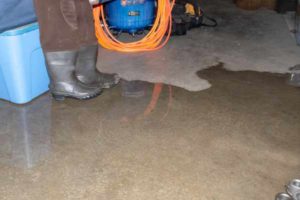
Water around indoor equipment should never be dismissed without investigation. Small amounts of condensation may be perfectly normal depending on the system, but standing water, visible corrosion, or signs of previous leaks can indicate drainage problems or other maintenance concerns.
Addressing moisture issues early can prevent larger problems from developing after moving into the home.
6. Understand Different Heating Options
Today’s homes may use a variety of heating systems, including furnaces, boilers, electric heating, or heat pumps. Each option has different maintenance requirements and operating characteristics.
If the property includes a heat pump, you should learn the basics of maintaining your heat pump so you will understand what routine servicing involves and how regular maintenance helps support efficient operation throughout the year. Having realistic expectations about ongoing care makes homeownership easier and can help preserve system performance over time.
7. Consider an HVAC Inspection
This might not exactly fit on a list of HVAC maintenance basics, but if your home inspector is unsure, then having an inspection by an HVAC expert should be considered. This may be especially worthwhile if the equipment is older, service records are unavailable, or the system shows signs of inconsistent performance. An HVAC specialist can often identify developing issues that aren’t immediately obvious during a standard property walkthrough.
8. Think Beyond Immediate Repairs
Even if a system appears to be functioning properly today, buyers should also consider future replacement costs. Every mechanical system eventually reaches the end of its useful life. Understanding the approximate age and condition of the equipment allows buyers to budget for future upgrades instead of being surprised by unexpected expenses.
Planning makes long-term homeownership more predictable and financially manageable.
The Bottom Line
A home’s HVAC system affects comfort, indoor air quality, and monthly energy costs every day. Taking the time to evaluate a property’s condition before purchasing can help buyers avoid unpleasant surprises and better understand the responsibilities that come with homeownership.
Asking thoughtful questions, reviewing available maintenance records, and paying attention to signs of proper care can provide valuable insight into how well the system has been maintained. Those extra steps may not be as exciting as choosing finishes or planning furniture layouts, but they can make a significant difference once the keys are finally in hand.