Choosing the right countertop material for your remodel project can feel overwhelming with so many options available on the market. Quartz and granite are two of the most popular countertop materials modern homeowners consider when updating a kitchen or bathroom. Both materials are known for their durability and strong visual appeal. Let’s take a quick look at quartz vs granite countertops and see which might be your personal favorite.
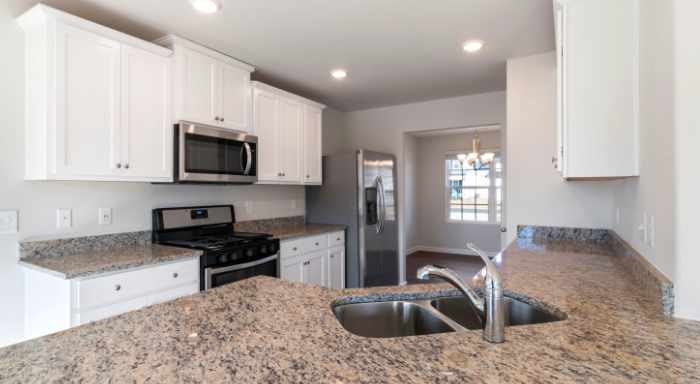
Quartz vs Granite Countertops
There are key differences that can affect maintenance, cost, and long-term value when comparing quartz vs granite countertops. In this blog, we’ll answer the common question, “Is quartz better than granite?” and explain how each material can impact your home’s overall appeal.
What Are Quartz Countertops?
Quartz countertops are engineered stone surfaces made from natural quartz particles combined with resins, pigments, and other materials. This manufacturing process gives quartz a more consistent look than many natural stone surfaces, which can be helpful if you want your countertops to have a cleaner and more predictable design.
Quartz is popular not only because of how it looks, but also because of how well it holds up over time. Quartz countertop durability is one of its biggest selling points, especially for homeowners who need a surface that can handle busy kitchens, frequently used bathrooms, and everyday messes. The material is also stain- and moisture-resistant, which makes it easier to clean after spills, splashes, and regular daily use.
Quartz also tends to be easier to maintain because it does not need regular sealing. For homeowners who want a polished, high-end surface without adding too much upkeep to their routine, quartz kitchen countertops can be a strong option.
However, quartz is not completely maintenance-free or damage-proof. It can still be affected by excessive heat, so hot pans, baking trays, and heated styling tools should not be placed directly on the surface. Using trivets, heat pads, or protective mats can help prevent discoloration or damage to the resin used in the material.
Quartz may also be less ideal for outdoor areas or rooms with strong direct sunlight. Long-term UV exposure can cause some quartz surfaces to fade or change color over time.
What Are Granite Countertops?
Granite countertops are cut from natural stone, so every slab has its own mix of color, pattern, and movement. That natural variation is a big part of granite’s appeal. Instead of looking perfectly uniform, granite brings a more organic feel to the space and can add depth and character to kitchens, bathrooms, and other areas that get regular use.
Because of its natural variation and timeless appeal, it can be a worthwhile investment for kitchens as it can complement a wide variety of cabinet styles, flooring materials, and design preferences.
It’s important to note that since it is a natural stone, it can be more porous than engineered materials and may need sealing to help reduce the risk of staining. Before choosing granite, it is helpful to ask how often the specific slab should be sealed and what kind of care it needs to stay in good condition.
Quartz vs. Granite Countertops: What Homeowners Should Know Before Choosing
Quartz and granite are often among the top choices for countertop surfaces because they both offer a durable, high-end look. However, choosing between them takes more than comparing appearance, especially if you’re planning to use your countertops for a long time.
To choose the best countertop material for ROI, homeowners must look beyond appearance and consider how each surface fits their budget, lifestyle, and resale goals. Here are some key factors to keep in mind:
1. Think About How You Use Your Space Every Day
While the way the countertop looks is an important factor, it should not be the only one that guides your decision. Think about how your space is used each day and see which material fits your routine better.
For example, a busy kitchen used for cooking, packing lunches, entertaining, and family meals may need a surface that can handle frequent spills, cleaning, and everyday wear. If you cook often, you may also want to think about how the countertop reacts to heat, sharp tools, and heavy cookware.
Bathrooms have different needs. A vanity top may not deal with hot pans or meal prep, but it still needs to hold up to moisture, soap, toothpaste, cosmetics, and regular cleaning. The more realistic you are about how the space is used, the easier it becomes to choose a countertop that feels practical long after the remodel is finished.
2. Compare Maintenance Requirements
Some homeowners do not mind a little extra upkeep, while others want a surface that is as low-maintenance as possible. Before choosing, consider how much care you are realistically willing to do over the years. A countertop may look beautiful when first installed, but if it requires more maintenance than you expected, it can become frustrating over time.
3. Look Beyond the Initial Cost
The upfront price is important, but it should not be the only factor in your decision. Installation, edge profiles, sink cutouts, slab selection, and long-term care can all affect the total cost. A more expensive countertop does not automatically add more value, and a cheaper option is not always the better investment. The best choice is the one that fits your budget while still supporting the overall quality of the remodel.
4. Consider the Style of the Entire Room
Your countertop should work with your cabinets, flooring, backsplash, lighting, and fixtures. Even a beautiful surface can feel out of place if it clashes with the rest of the design. For long-term value, it is usually better to choose a countertop that feels timeless and balanced rather than one that follows a trend too closely.
5. Think About Resale Appeal
If you plan to sell your home in the future, think about what buyers are likely to notice. Most buyers want kitchens and bathrooms that feel clean, updated, and easy to maintain. A countertop that looks fresh and fits the home’s style can help the room feel move-in ready, while a bold or overly personal choice may not appeal to everyone.
Final Takeaways
The right countertop choice should support how your home looks, functions, and holds value over time. Quartz and granite can both be worthwhile investments, but they offer different advantages. The Quartz vs granite countertops debate comes down to:
- Quartz is often a strong fit for homeowners who want a clean, consistent surface that is easy to maintain.
- Granite may be a better match for those who prefer natural variation, timeless character, and the look of real stone.
If resale value is part of your decision, focus on what will make the kitchen or bathroom feel updated, practical, and easy for future buyers to appreciate. The best surface is not always the most expensive one. It is the one that fits the room, works with the rest of the design, and makes the space feel well cared for.