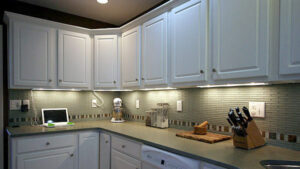
When children move out, the home often feels quieter, larger, and full of possibility. Rooms that once served specific purposes may no longer fit daily life, and long-standing design compromises suddenly stand out. Remodeling after the empty nest is less about downsizing immediately and more about reshaping a home to reflect current needs, comfort, and long-term plans. Let’s take a quick look at some of the main issues involved if you happen to be in this situation.

Remodeling After the Empty Nest
Before we begin, take a moment to visualize the ideal result. It may not be possible due to factors such as cost or availability, but we should aim for the best possible outcome from the start and see where we can possibly end up. Let’s begin!
1. Rethinking Space and Function
Empty bedrooms and underused common areas are often the first places homeowners reconsider. Some families choose to combine smaller rooms into larger, more flexible spaces such as a home office, fitness room, or guest suite. Others convert former playrooms into libraries, craft areas, or media rooms.
Open layouts can feel more practical once daily traffic patterns change. Removing non-structural walls may improve flow and natural light, making the home feel refreshed without adding square footage.
2. Prioritizing Comfort and Accessibility
As lifestyles shift, comfort becomes more important than maximizing capacity. Remodeling decisions often focus on ease of movement, reduced maintenance, and thoughtful ergonomics. Wider doorways, improved lighting, and simplified layouts support everyday comfort while also preparing for future mobility needs.
Bathrooms and kitchens are common renovation targets. Updated layouts with better storage, modern fixtures, and easier cleaning support long-term usability without feeling clinical.
3. Energy Efficiency and Maintenance Updates
An empty nest phase is also a practical time to address systems and materials that have aged quietly in the background. Improved insulation, updated HVAC systems, and energy-efficient appliances reduce ongoing costs and maintenance demands.
Exterior improvements often come into focus as well. Projects such as siding updates or window remodeling improve comfort, reduce drafts, and enhance natural light. These changes support both daily enjoyment and long-term home value.
4. Personal Style Takes Center Stage
For many homeowners, earlier design choices were influenced by durability, safety, or child-friendly considerations. Remodeling allows personal taste to take priority. Finishes, colors, and materials can reflect current preferences rather than past constraints.
This shift often results in calmer, more cohesive interiors. Fewer zones competing for attention create spaces that feel intentional and restorative rather than purely functional.
5. Planning With the Future in Mind
Remodeling after the empty nest often blends present enjoyment with future planning. Some homeowners prepare for aging in place, while others consider resale value and market appeal. Flexible design choices support both paths.
Multi-purpose rooms, neutral finishes, and efficient layouts appeal to future buyers while still serving current needs. This balance helps ensure renovations remain valuable over time.
6. Budget and Timeline Considerations
With fewer competing expenses, some families find greater financial flexibility for home projects. Still, clear priorities matter. Phased remodeling allows homeowners to spread costs and minimize disruption. Working with experienced professionals helps align vision with realistic timelines and budgets.
The empty nest marks a meaningful transition, and the home should evolve with it. Remodeling offers a way to align space with who lives there now, not who lived there before. Thoughtful updates can transform a familiar house into a setting that supports comfort, purpose, and the next chapter of daily life. Look over the infographic below to learn more.