Remodeling a kitchen does not automatically guarantee a strong return on investment. While a kitchen remodel project can make your home more appealing to buyers, choosing the wrong upgrades may reduce how much value you get back when it is time to sell. In this article, we’ll highlight six kitchen remodeling mistakes that you certainly want to avoid before putting your home on the market.
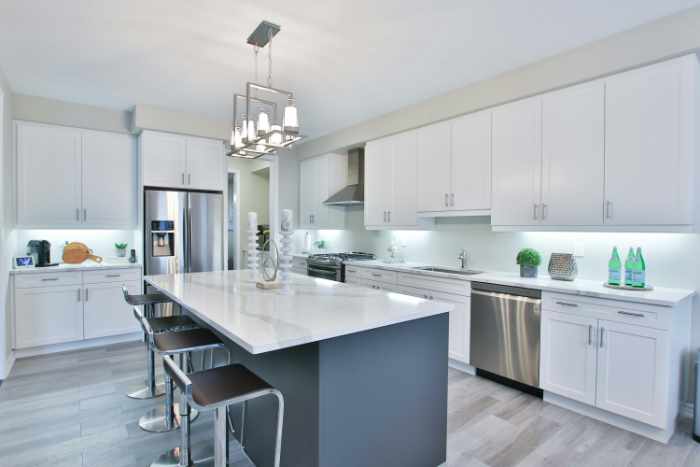
Does a Kitchen Remodel Add Value to Your Home?
A kitchen remodel can add value, but only when it lines up with how buyers make decisions. Buyers do not usually separate the kitchen from the rest of the home. They compare it against the asking price, the neighborhood, nearby listings, and the amount of work they think the home still needs.
This is why any kitchen remodel return on investment considerations are not always tied to the most expensive upgrade. A clean, practical, well-lit kitchen can sometimes do more for the resale value than a showpiece kitchen that feels too far ahead of the rest of the property. If the bathrooms, flooring, or exterior still feel dated, an overly high-end kitchen may make those areas stand out even more.
Kitchen Remodeling Mistakes to Avoid Before Putting Your Home on the Market
If you’re planning on remodeling your kitchen before putting it on the market, the goal should be to make smart updates that support resale value instead of spending heavily on features buyers may not care about.
According to the kitchen remodeling professionals at Kitchen & More, the kitchen upgrades that consistently deliver the strongest return are functional improvements — better layout, updated fixtures, and quality surfaces — rather than luxury finishes that only appeal to a narrow pool of buyers. Before you commit to a renovation plan, watch out for these common kitchen remodeling mistakes that can weaken buyer appeal and reduce your return.
1. Choosing Niche Design Features That Shrink Your Buyer Pool
First on our list of kitchen remodeling mistakes is all about style. A kitchen with too many niche design choices can be harder for buyers to connect with. Bold cabinet colors, dramatic stone patterns, unusual tiles, or highly customized built-ins may look intentional, but they can also make the space feel tailored to one owner’s taste.
This becomes riskier when those choices involve expensive kitchen remodeling upgrades. Buyers may recognize that money was spent, but that does not mean they will see the same value in the feature. If they are already imagining what they would replace, repaint, or remove, the remodel may not support resale as strongly as expected.
2. Prioritizing Luxury Countertops Over Practical Kitchen Improvements
It is easy to assume that expensive countertops will make a kitchen feel more valuable, but it does not guarantee a better offer from buyers. Overspending on high-end stone or custom surfaces can backfire if the kitchen still lacks storage, good lighting, or a comfortable layout.
Before choosing a premium slab for your kitchen countertop and backsplash, it is worth asking whether the money would create more value elsewhere. Better storage, updated fixtures, improved lighting, or a more practical work area may do more to make the kitchen feel useful and move-in ready.
3. Using High-Maintenance Materials That Can Weaken Resale Appeal
Materials that look beautiful in a showroom can sometimes feel less practical to buyers once they think about daily use. Porous stone, delicate flooring, heavy grout lines, or glossy cabinet finishes may raise concerns about staining, scratching, cleaning, or long-term upkeep.
Before selling, those concerns can affect how buyers view the kitchen’s value. Even if the materials are high quality, they may make the space feel harder to maintain. A kitchen that feels durable and easy to live in is often more appealing than one that looks impressive but comes with too many care requirements.
4. Installing an Island That Makes the Kitchen Harder to Move Through
Adding an island is often seen as an upgrade, but it is not always the right choice for every kitchen. In smaller or narrower layouts, an island can interrupt the natural flow of the room and make everyday tasks feel more crowded.
Before installing an island, consider whether it will make the kitchen easier to use or simply take up valuable space. A space that feels open, comfortable, and easy to use will usually make a better impression than one with an island that looks nice but interrupts the flow.
5. Removing Cabinet Space in the Name of Minimalism
Although minimalist interior design has become more popular in recent years, less storage is not always a selling point. A kitchen with fewer cabinets may look airy in photos, but buyers may question how the space will function once the shelves are filled and daily items need a place to go.
The better approach is to make storage feel clean and intentional instead of removing it altogether. Deep drawers, organized cabinets, and hidden storage can still support a simple design while making the kitchen feel easier to live with. For resale, that balance is usually more valuable than a minimal look that only works when the kitchen is perfectly staged.
6. Moving Plumbing or Electrical Too Close to the Listing
Major layout changes can seem worthwhile when you are imagining a better kitchen, but they can also introduce problems you do not want right before listing. Moving plumbing lines, gas lines, or electrical outlets can add cost and create more chances for unfinished details or inspection concerns.
Before selling, the safer move is often to improve what already works. Updated fixtures, better lighting, fresh surfaces, and small layout improvements can make the kitchen feel more appealing without opening up a larger project that could delay your listing timeline.
Final Takeaways
A kitchen remodel is more likely to support resale when it gives buyers fewer reasons to second-guess the home. The space does not need to look extravagant. It needs to feel clean, functional, and realistic for the home’s price point.
Before putting your home on the market, be selective about where your remodeling budget goes. Avoid changes that make the kitchen feel too personal, too high-maintenance, or too costly for the next owner. We hope you have enjoyed this piece about kitchen remodeling mistakes to avoid. A thoughtful update should help buyers see the home’s potential without making them think about what they would need to change.