The location of a home does more than determine the view from the front porch. Design continuity means your design decisions made throughout the interior should align with your home’s location. Creating visual consistency across rooms is essential to a well-designed home, but that consistency should also reflect the surrounding environment. A coastal retreat, a mountain lodge, and a city loft each offer unique cues that can inform choices in color, texture, layout, and materials. Designing with location in mind not only creates harmony but also strengthens the connection between indoors and out.
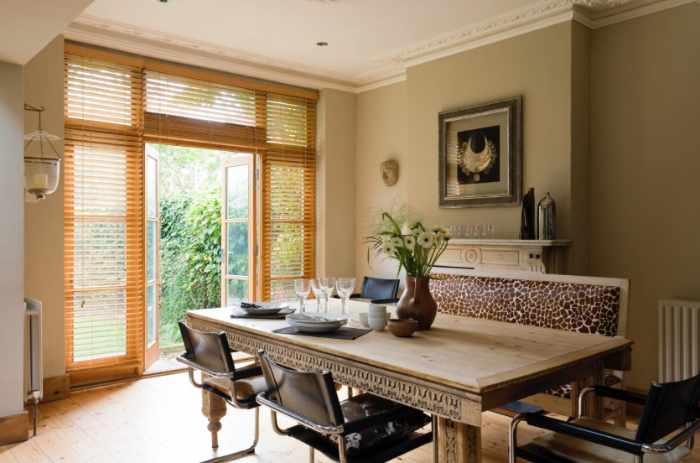
Maintaining Design Continuity
By no means should any home be cookie cutter. Each should fit the “feel” that the owners of the home enjoy. At the same time, there should be a goal to match the home’s aesthetic to where the home resides. This is called design continuity. Let’s take a deeper look into what that means.
Why Location Matters
Homes that respond to their settings feel more grounded and natural. The lighting, climate, terrain, and local culture all influence how people live, what materials work best, and what aesthetics make sense. For example, a bright and airy palette fits a beachside home where natural light is abundant. A consistent design language informed by the home’s geography can make transitions between rooms feel purposeful.
Design continuity does not mean every room needs to match. Instead, it means there is a visual thread that ties spaces together, whether through shared materials, finishes, or themes. Letting your home’s location shape that thread can create a deeper sense of place.
Seaside Homes
Homes near the ocean often benefit from an interior approach that highlights calmness and openness. Pale blues, sandy neutrals, and crisp whites work well to reflect the natural landscape and amplify sunlight. Take advantage of the psychological effects of color as well. Materials like rattan, bleached wood, linen, and sea glass can be used consistently throughout the home to tie together living, sleeping, and entertaining areas.
To maintain continuity, flooring should stay cohesive across rooms. A light-toned wood or textured tile with soft grain lines works well for coastal properties. Window treatments should be minimal to let in maximum daylight, and fixtures should echo the simplicity and natural finishes of the coast.
Avoid over-theming with seashells or nautical décor. Instead, use subtler references like driftwood-inspired surfaces or coral-patterned textiles. This approach keeps the space from feeling overly staged while still reflecting its proximity to the water.
Mountain Homes
In higher altitudes, homes benefit from a sense of warmth and insulation. Design elements should feel solid, tactile, and rooted in nature. Earthy colors like deep browns, mossy greens, and rust tones work well in these settings. Incorporate layered textures through wool, leather, stone, and reclaimed wood to maintain interest across each room.
Design continuity in mountain homes can be achieved through repetition of materials. If you use exposed beams or stone in one space, consider repeating that material in other parts of the home in smaller doses. This could include stone backsplashes in the kitchen or reclaimed wood shelving in a hallway. Accent lighting that highlights these materials can further unify the home.
Furnishings should be substantial and built for comfort, but the layout should still feel open and navigable. Keeping trim and cabinetry in the same wood tone across spaces is another effective way to tie the design together.
Urban Homes
City homes often have less square footage but more architectural interest. The key to urban design continuity is making the most of limited space while using consistent modern details. Neutral palettes work well in apartments or townhomes, with accents brought in through art, rugs, and furniture.
Related: 8 Tips for Decorating a Small Living Space
Polished concrete, exposed brick, or industrial metals can be repeated across rooms to maintain visual cohesion. For example, if black steel frames are used in the windows or shelving, they can be echoed in light fixtures or door hardware. These small but consistent elements prevent the space from feeling disjointed, even if room functions vary.
Open layouts in city homes often require design continuity to maintain a clean and balanced appearance. Consider using the same flooring across the entire unit and keep wall finishes consistent in tone. Built-ins that match cabinetry or millwork help small spaces feel unified and intentional.
Balancing Taste with Environmental Context
Every homeowner brings their own style preferences to a space. The goal is not to suppress personality but to let it exist within a framework that respects location. For example, someone who prefers maximalism can still achieve design continuity in a mountain home by using layered textures and natural color palettes rather than neon accents or glossy finishes that clash with the setting.
This balance between context and individual taste is where design professionals often provide value. Interior design services can help homeowners make choices that reflect both their surroundings and their lifestyle. A thoughtful approach ensures that rooms relate to one another without feeling repetitive or formulaic.
Designing a cohesive home starts with listening to its environment. Carrying those design principles across every room creates unity and comfort. Whether through subtle material repetition or consistent color palettes, drawing from location as a guide offers a timeless approach to interior style. To learn more, look over the accompanying resource below.
Infographic Embed Code:
<img src=https://lh3.googleusercontent.com/d/1UhET0Bn1zRWDbUs4-w44QTz_qBDgGZmm=s0?authuser=0>