Collecting memorabilia or fine art preserves pieces of history, capturing moments of beauty or cultural or personal significance that may even reflect your own family’s history. Whether you’ve built your collection over years or just begun acquiring investment-worthy items, home safety should be your first line of defense.. In this article, we’re going to look at seven key tips for protecting collectibles at home. Let’s begin!
7 Security Tips for Protecting Collectibles at Home
Investment-worthy memorabilia hold both financial and sentimental value, so protecting collectibles at home takes more than a standard alarm system. Going offsite is one of the big storage unit mistakes unless it’s design for expensive values, which most are not.
It’s about building layers of security that quietly work together in the background to safeguard what matters most. It doesn’t have to be sophisticated, but it does have to be effective to preserve those items of memorabilia for your loved ones.
1. Start With the Basics of Physical Security
Every home needs a solid foundation of physical protection. That starts with well-secured entry points: doors fitted with reinforced deadbolts, windows with locks, and exterior lighting that deters intruders. Security cameras positioned around entrances and display rooms act as both a visual deterrent and a source of valuable evidence if something goes wrong. For high-value memorabilia, such as rare sports collectibles or vintage instruments, consider limiting visibility from outside the home. Keeping items out of direct sight reduces temptation and adds another subtle layer of protection.
2. Upgrade to Smart Monitoring
Modern technology makes it easier than ever to keep watch over your collection even when you’re not home. Choosing the right home security system is huge! Today’s systems can send real-time alerts to your phone if a door opens or motion is detected where it shouldn’t be. Many systems also include environmental sensors that track temperature and humidity — two conditions that can quietly damage fragile items over time. Collectors of paper-based items, such as signed programs or trading cards, know how quickly moisture or heat can ruin value. Setting up smart monitoring ensures you can respond before small problems turn into major losses.
3. Maintain Climate Control for Preservation
Investment-grade memorabilia often require controlled storage conditions. Items like autographed jerseys, posters, or artwork can fade or warp if the environment fluctuates too much. Maintaining a stable temperature and humidity level is just as critical as locking your doors. A dedicated HVAC zone or portable climate control system in the storage or display area helps prevent environmental damage. Using UV-protective glass on framed pieces and low-heat LED lighting minimizes long-term fading or discoloration.
4. Strategic Display and Storage Choices
Where and how you display items plays a huge role in protecting collectibles at home. Avoid placing valuable collectibles near windows, fireplaces, or HVAC vents where sunlight, dust, and heat can do harm. For especially rare or delicate pieces, display cases with built-in locks or shatter-resistant glass add another level of security. Serious collectors sometimes consult professionals for museum-grade mounts and cases that balance protection with visibility. Whether it’s a piece from your favorite autograph store or a limited-edition painting, thoughtful placement keeps beauty and safety in balance.
5. Insurance Coverage Tailored to Collectibles
Even with the best precautions, accidents and thefts can happen. That’s why specialized insurance coverage for memorabilia is essential. Standard homeowners insurance might not cover the full value of your collection or may limit coverage for certain types of items. A policy written specifically for fine art and collectibles ensures you’re compensated accurately if a loss occurs. Documenting each piece with clear photos, purchase records, and appraisals helps speed up the process if you ever need to file a claim.
6. Preventing Fire and Water Damage
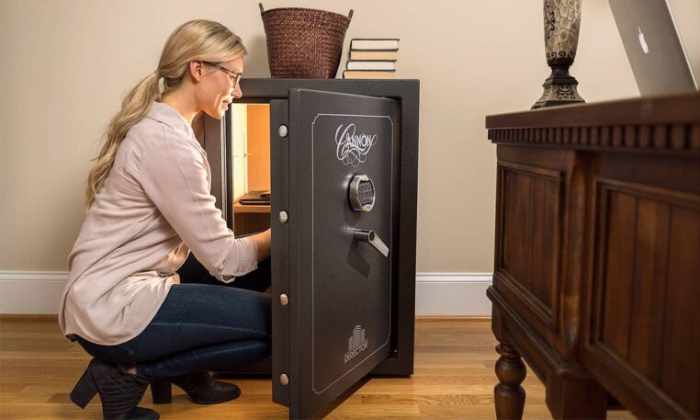
While theft often comes to mind first, fire and water are incredibly dangerous to valuable collections. Install smoke detectors and fire extinguishers in or near display areas, and consider water sensors near basements or plumbing fixtures. Store essential documents and smaller collectibles in fireproof, waterproof safes when not on display. In states prone to severe weather or flooding, for example, in many parts of the South, having a plan for emergency evacuation of items is just as important as securing them day-to-day.
7. Routine Checks and Professional Support
Protecting investment-grade memorabilia isn’t a one-time task. Make it a habit to check locks, cameras, and climate controls regularly. Schedule maintenance on alarm systems and replace batteries before they fail. For collections of significant value, some homeowners work with professional appraisers or security consultants who specialize in home-based collections. These experts can spot weak points and suggest practical, budget-friendly improvements.
A Layered Approach to Peace of Mind
Protecting collectibles at home comes down to one principle: layers. No single measure — whether it’s an alarm, insurance policy, or camera — can protect your investment on its own. But together, these systems create a protective network around your prized possessions.
For collectors and homeowners alike, the goal isn’t to turn your house into a fortress. It’s to build smart, simple habits that keep your valuables safe, your mind at ease, and your favorite pieces right where they belong — on display, admired, and secure.
Author: Tom Cathey is Co-founder of SWAU, a Houston-based entertainment collectibles company that connects fans with celebrities via autograph signings, memorabilia auctions, and vibrant collector communities. Cathey has more than six years of experience in the industry, focusing on curating authentic autographic opportunities and fostering a tight-knit global collector community.